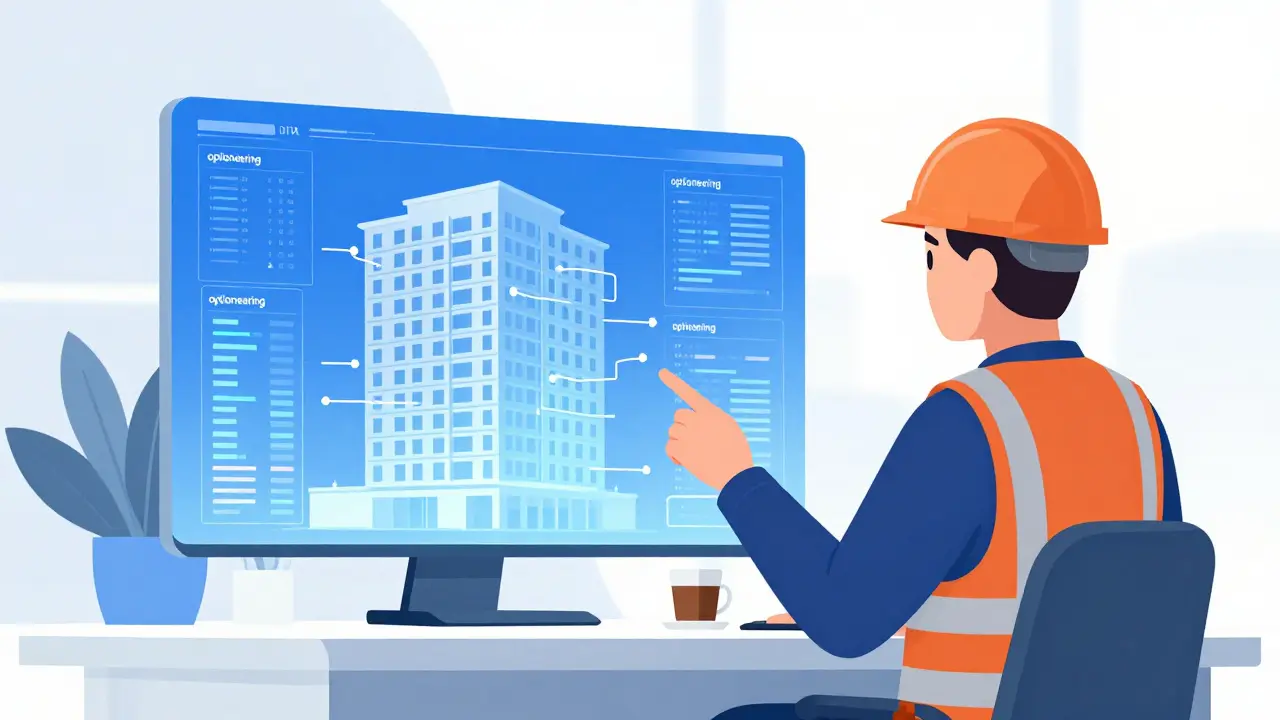
Generative AI in Construction: Revolutionizing Bids, Schedules, and Safety
Explore how Generative AI is transforming construction through AI-powered bidding, predictive scheduling with ALICE and nPlan, and dynamic safety planning.
Explore how Generative AI is transforming construction through AI-powered bidding, predictive scheduling with ALICE and nPlan, and dynamic safety planning.
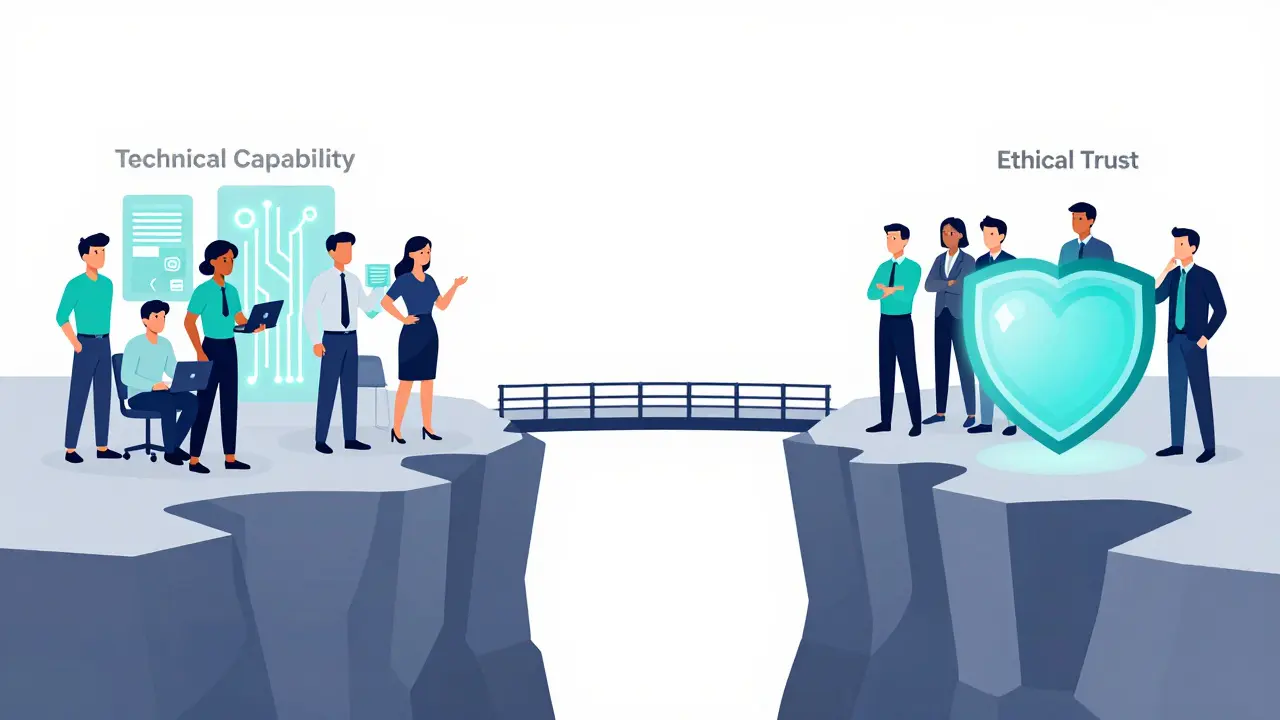
Learn how to build a Generative AI ethics framework that works. This guide covers stakeholder engagement, transparency standards, and data privacy strategies for 2026.

Explore how Agent-Oriented LLMs shift AI from reactive chatbots to autonomous agents. Learn about ReAct, Reflexion, and the future of AI planning and tools.
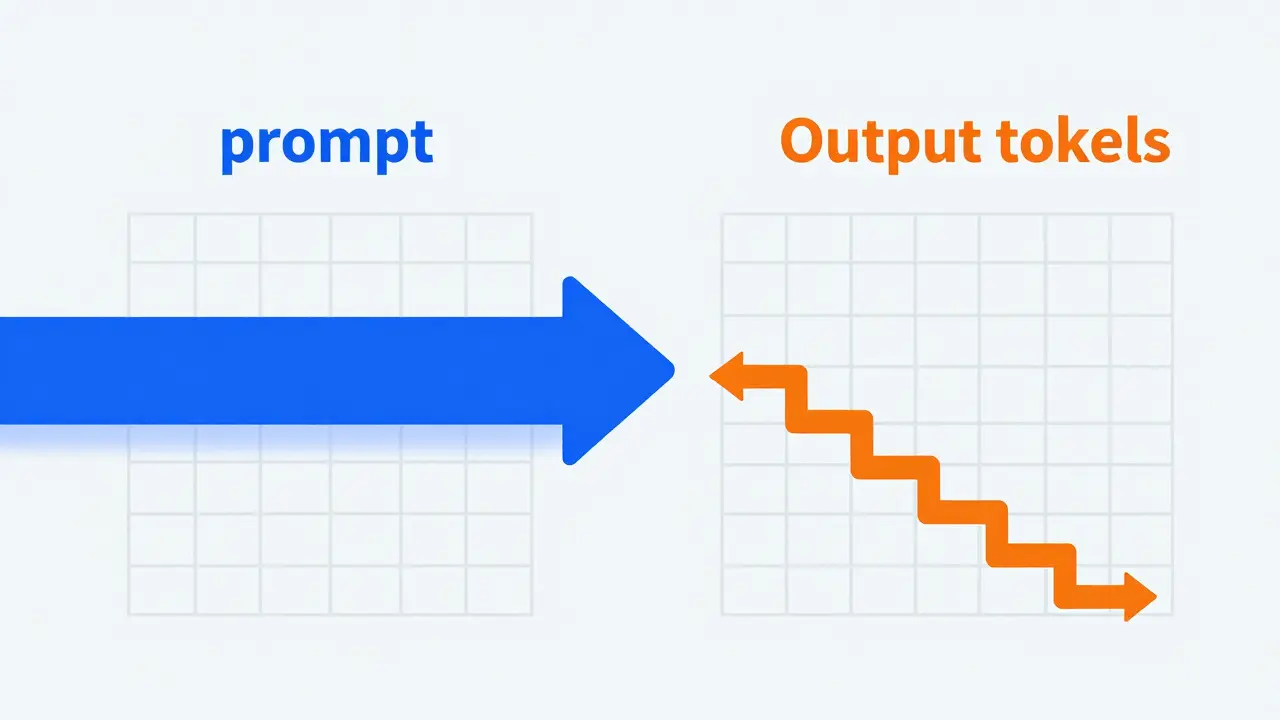
Discover why output tokens cost significantly more than input tokens in LLMs. We break down the computation, autoregressive generation, and GPU memory overhead.

Learn how the Mata v. Avianca case warns lawyers about AI hallucination risks and how to implement safety policies to avoid judicial sanctions.

Discover why small language models (SLMs) are challenging the 'bigger is better' AI mantra, offering faster speeds and lower costs without sacrificing specialized performance.

Explore expert strategies for task decomposition in LLM agents, from ACONIC to Task Navigator. Learn how to break complex AI problems into reliable subtasks.
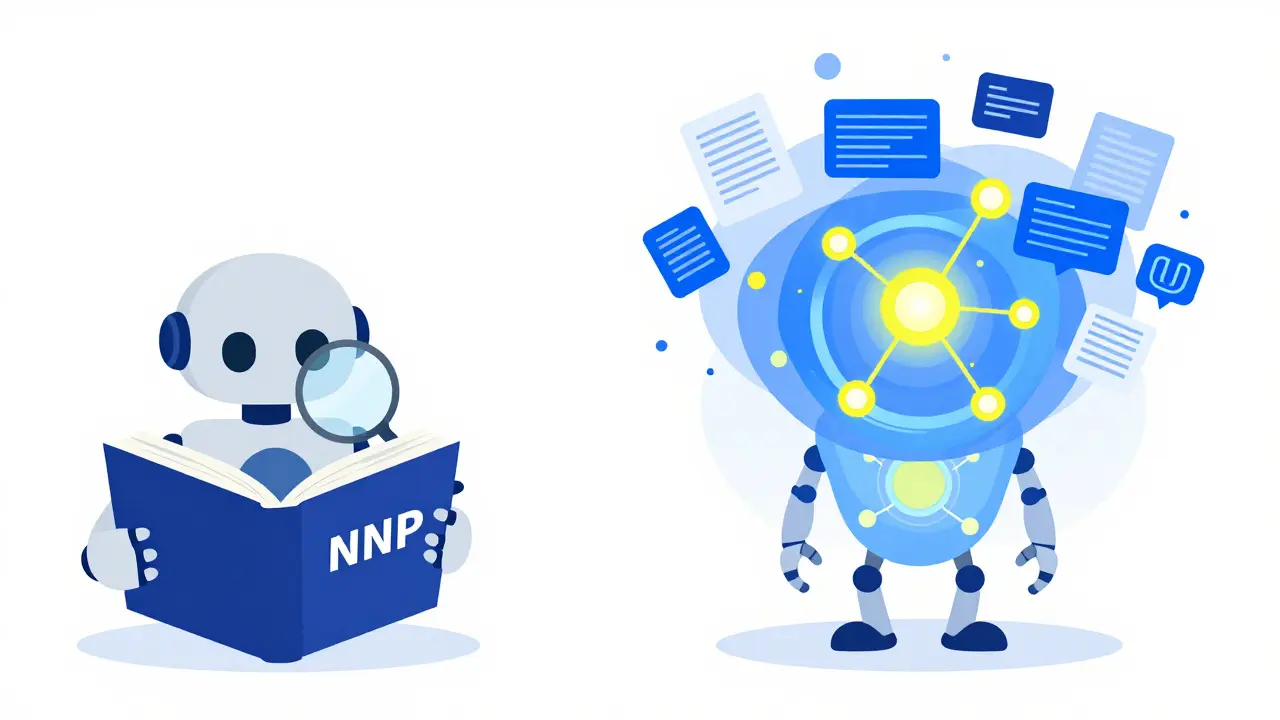
Explore why Large Language Models outperform traditional NLP in versatility and context, while specialized systems still win in high-accuracy, narrow domains.

Stop relying on 'magic prompts.' Learn how Prompt Sensitivity Analysis (PSA) reveals why LLM scores fluctuate and how to build robust, consistent AI applications.
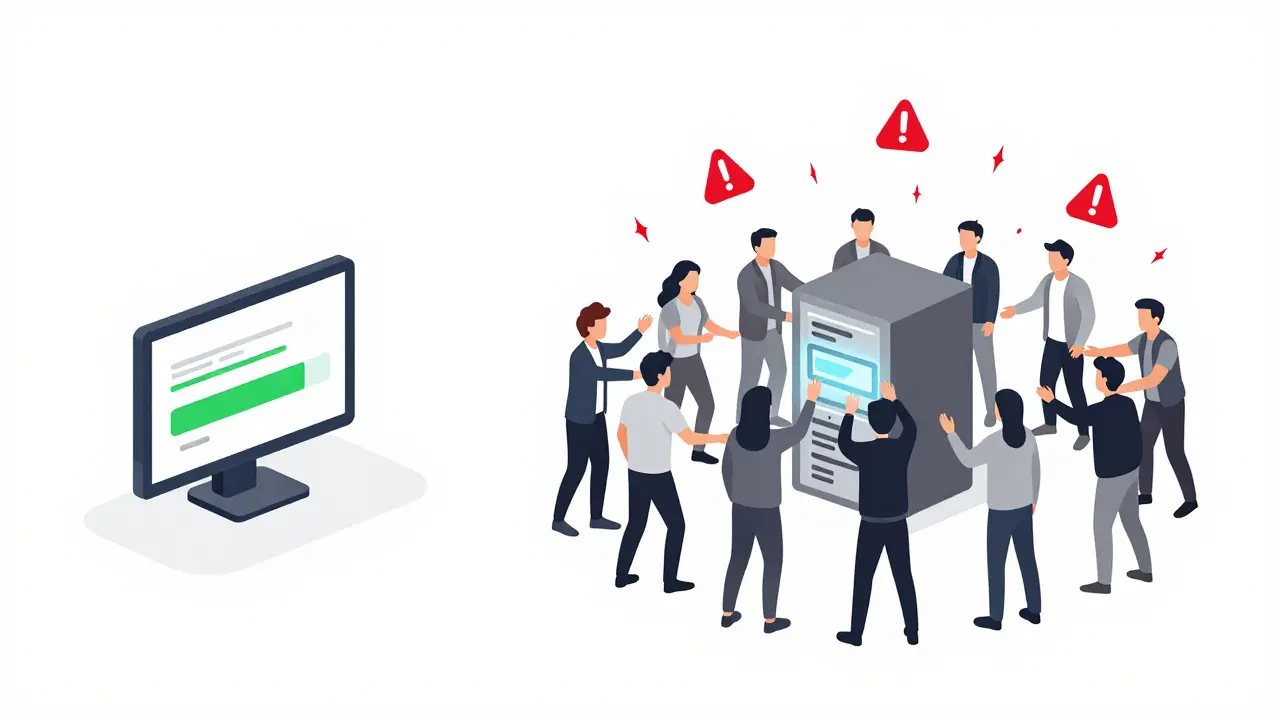
Learn how to benchmark LLM serving stacks using realistic production patterns, load testing strategies, and key metrics like TTFT and TPS to optimize inference.
Explore the balance between rapid AI-driven 'vibe coding' and long-term software maintainability. Learn how to manage technical debt and ensure code quality.

Learn how to manage API versioning in Vibe-coded environments. Prevent breaking changes using Semantic Versioning, OpenAPI 3.0, and structured deprecation policies.