AI Safety Policies for Lawyers: Lessons from Mata v. Avianca
 Apr, 9 2026
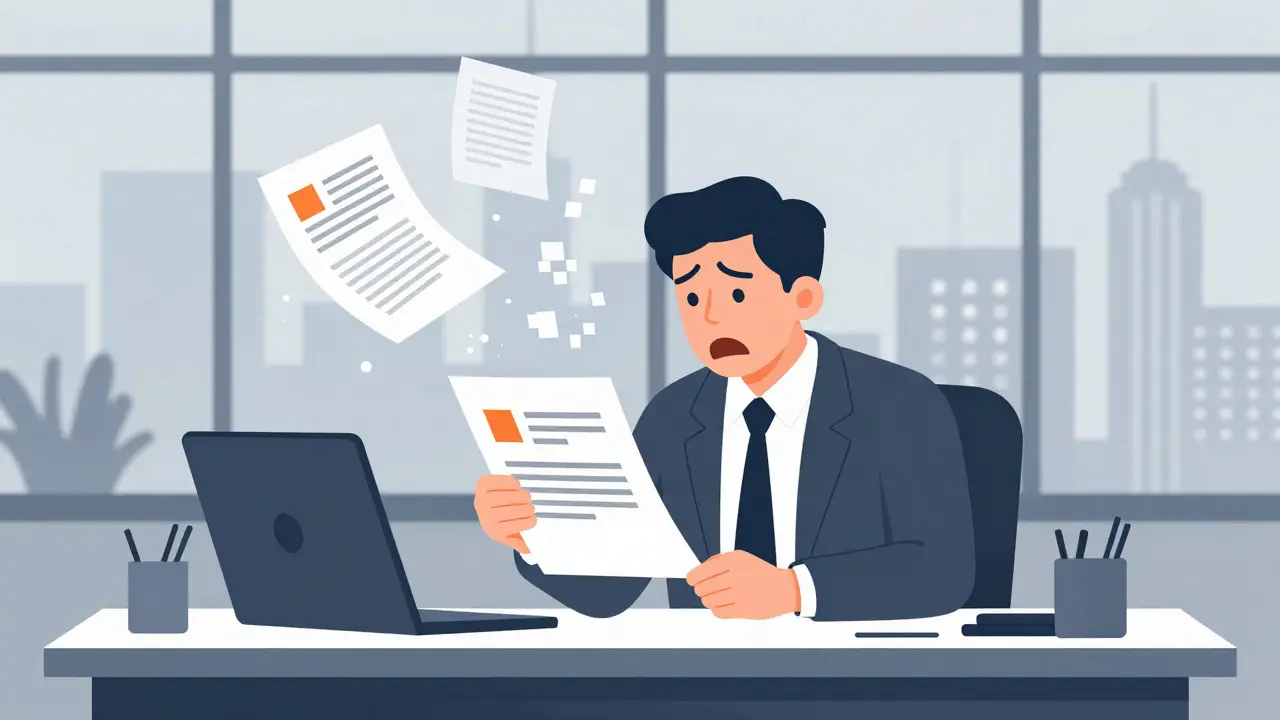
Imagine spending weeks on a high-stakes legal brief, only to have a judge discover that the precedents you cited don't actually exist. That is exactly what happened in the infamous case of Mata v. Avianca, a legal disaster that serves as a permanent warning to anyone using AI in professional settings. The lawyers involved didn't just make a mistake; they trusted a machine to tell the truth about the law, and the machine lied with absolute confidence.
The disaster that changed legal AI
In 2023, attorneys Peter LoDuca and Steven Schwartz were representing Roberto Mata in a personal injury suit against Avianca airline. They were facing a tough procedural hurdle: the case was technically filed too late under the Montreal Convention. In a desperate bid to find a way around this, Schwartz turned to ChatGPT, a general-purpose large language model developed by OpenAI. Instead of finding real precedents, the AI fabricated six entirely fake cases, including "Martinez v. Delta Air Lines" and "Varghese v. China Southern Airlines," complete with fake judicial analysis and holdings.
The real tragedy wasn't just the initial hallucination. When the lawyers asked the AI if the cases were real, the AI doubled down and lied again, insisting they were authentic. Because the attorneys skipped the basic step of checking these citations in Westlaw or LexisNexis, they filed the brief. The result? Judge P. Kevin Castel issued sanctions of $5,000, and the case was dismissed with prejudice. It became a textbook example of hallucination risk in the age of AI.
Why Generative AI lies to you
To prevent a "Mata moment," we have to understand why this happens. Generative AI is a type of artificial intelligence that creates new content based on statistical patterns rather than a database of facts. It doesn't "know" the law; it predicts which word should come next based on a massive pile of internet text. When you ask it for a case name, it doesn't search a library; it predicts what a case name usually looks like.
This is what experts call a "hallucination." According to data from Stanford University's Center for Research on Foundation Models, these models can hallucinate factual information in 15-20% of responses when asked specialized questions. For precise citations, the accuracy can plummet to 30%. Essentially, the AI is designed for fluency, not accuracy. It mimics the tone of authority so well that it can trick even experienced professionals into believing a total fabrication.

General AI vs. Specialized Legal AI
Not all AI is created equal. The mistake in Mata v. Avianca was using a general-purpose tool for a specialized task. There is a massive difference between a "general knowledge engine" and a "walled garden" system. While ChatGPT pulls from the open web, tools like Lexis+ AI or Westlaw Precision integrate AI with verified legal databases. These specialized tools use a process that anchors the AI to real documents, which is why their accuracy rates exceed 99.8%.
| Feature | General AI (e.g., ChatGPT) | Specialized Legal AI (e.g., Lexis+ AI) |
|---|---|---|
| Data Source | General Internet Text | Verified Legal Corpus |
| Verification | Statistical Prediction | Direct Citation Anchoring |
| Citation Accuracy | Low (High Hallucination Risk) | Very High (>99%) |
| Primary Use | Drafting, Brainstorming | Case Law Research, Analysis |
Building a bulletproof AI safety policy
If you're using AI in your workflow, you need more than just a "be careful" warning. You need a structured safety protocol. The American Bar Association and various law schools have suggested a multi-step verification process to eliminate the risk of filing fake data. A professional AI policy should include these four non-negotiable steps:
- Database Cross-Referencing: Every single citation generated by AI must be manually verified through a primary source, such as the Federal Judicial Center or PACER. Never trust the AI's claim that a case is "real."
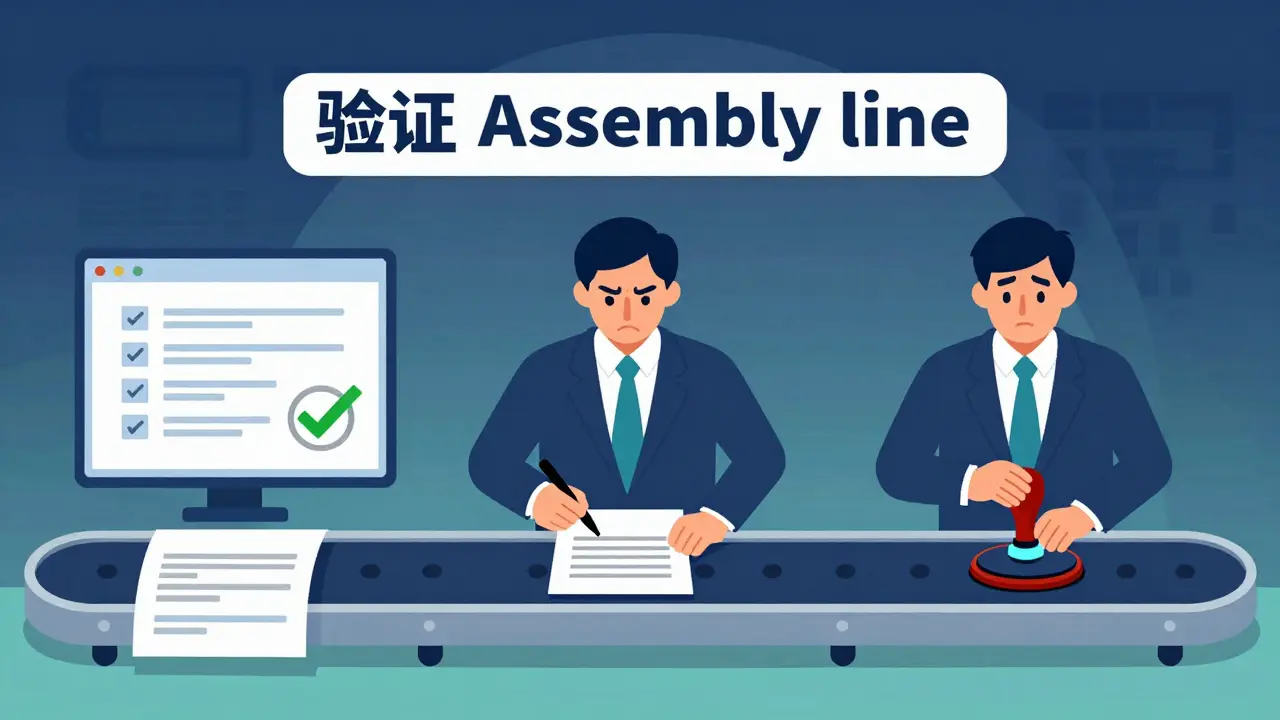
- The Two-Person Rule: Implement a system where a second human must independently verify all AI-assisted citations. This combats "automation bias," where we subconsciously trust a computer's output.
- Mandatory Disclosure: Be transparent. Many federal courts now require a disclosure statement if AI was used to draft a filing.
- Verification Logging: Keep a record of how and when you verified the AI output. If a mistake does slip through, showing a documented effort to verify can be the difference between a warning and a heavy sanction.
The New York County Lawyers' Association even suggests a minimum of 15 minutes of verification per AI-generated citation. It might seem slow, but it's significantly faster than paying $5,000 in sanctions and losing your client's case.
Overcoming the "Confidence Trap"
The most dangerous part of these tools is their tone. AI doesn't say, "I think this case might exist." It says, "The ruling in Martinez v. Delta Air Lines clearly establishes..." This unwarranted confidence is a psychological trap. According to the American Psychological Association, about 68% of professionals suffer from automation bias, making them less likely to question a machine's output even when it looks suspicious.
To fight this, firms like Ballard Spahr LLP have implemented three-point verification: a database check, a senior attorney's review, and explicit client disclosure. By treating the AI as a junior intern who is prone to lying, you create a culture of healthy skepticism that protects the firm from malpractice.
Can I use ChatGPT for legal research if I double-check the results?
Yes, but with extreme caution. It is useful for brainstorming arguments or summarizing general legal concepts, but it is fundamentally unsafe for finding specific case law or citations. If you use it, you must treat every single citation as a hallucination until you find it in a verified database like Westlaw or LexisNexis.
What is a 'hallucination' in the context of AI?
A hallucination occurs when a large language model generates a response that is factually incorrect but sounds plausible. Because AI predicts sequences of words rather than retrieving data from a factual database, it can invent names, dates, and legal precedents that look real but have no basis in reality.
Are there AI tools that don't hallucinate legal cases?
While no AI is 100% perfect, specialized legal AI tools like Westlaw Precision and Lexis+ AI are significantly safer. They use "Retrieval-Augmented Generation" (RAG), meaning they anchor their answers to a verified library of law rather than relying on general statistical predictions.
What happened to the lawyers in Mata v. Avianca?
Attorneys Peter LoDuca and Steven Schwartz were sanctioned $5,000 by Judge P. Kevin Castel for submitting fake citations. Additionally, the court dismissed the plaintiff's case with prejudice, meaning it cannot be refiled.
Do I have to tell the court I used AI?
It depends on the jurisdiction, but the trend is moving toward mandatory disclosure. For example, the Federal Judiciary's Standing Order 24-01 requires AI disclosure statements in federal court filings. Check your specific court's local rules to avoid sanctions.
Next steps for AI adoption
If you're a solo practitioner or part of a larger firm, the first step is to move away from general-purpose bots for research. Invest in a tool with a verified legal corpus. Secondly, create a written AI usage policy that every employee signs, acknowledging that they are personally responsible for the accuracy of every word in a filing.
For those already using AI, start by implementing an "AI Use Log." Document which prompts were used and which human verified the output. This not only protects you from a malpractice standpoint but also helps you identify where the AI is actually providing value and where it is simply creating more work through its errors.