Best Community Resources for New Vibe Coders in 2025: Courses, Templates, and Forums
 Sep, 27 2025
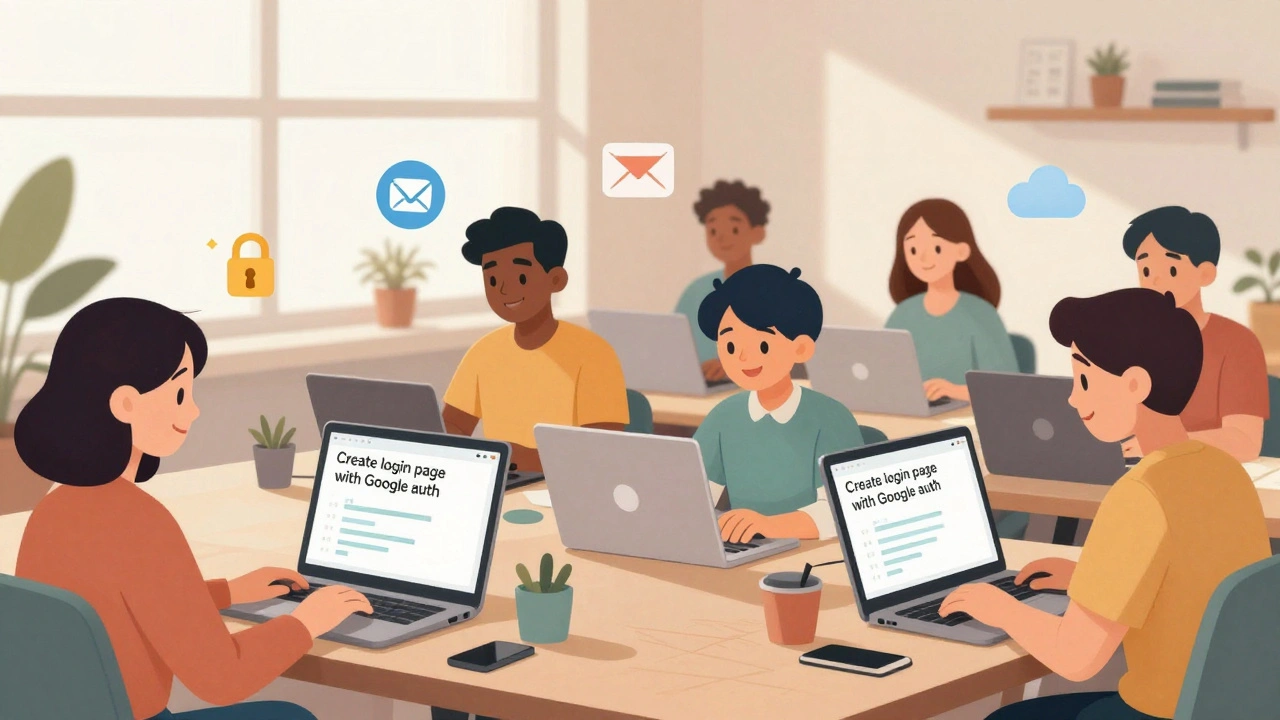
Forget typing code line by line. In 2025, vibe coding lets you describe what you want in plain English - and AI builds it for you. No more wrestling with syntax errors or spending weeks learning frameworks. You say, "Create a login page with Google auth and password reset", and boom - working code appears. This isn’t science fiction. It’s what thousands of new developers are using every day to build apps, websites, and tools without traditional coding experience.
But here’s the catch: vibe coding isn’t magic. It’s a skill. And like any skill, you need the right training, tools, and community to get good. The best vibe coders don’t just throw prompts at AI. They know how to ask the right questions, spot bad code, and fix what the AI gets wrong. That’s where community resources come in. Not just tutorials - real people, real feedback, real projects.
Where to Start: Free Courses That Actually Work
If you’re new to vibe coding, you don’t need a computer science degree. You need clear, hands-on training. The top free courses in 2025 focus on doing, not just watching.
Google Cloud’s Build in AI Studio offers the most structured beginner path. It walks you through 12 projects - from a simple to-do list to a full-stack app with user accounts. The best part? You get $300 in free credits to test real cloud services. Most people finish the path in 8-10 hours. But here’s the warning: if you’ve never used the cloud before, you might get lost. Google assumes you know what a server is. Skip it if you’re totally new.
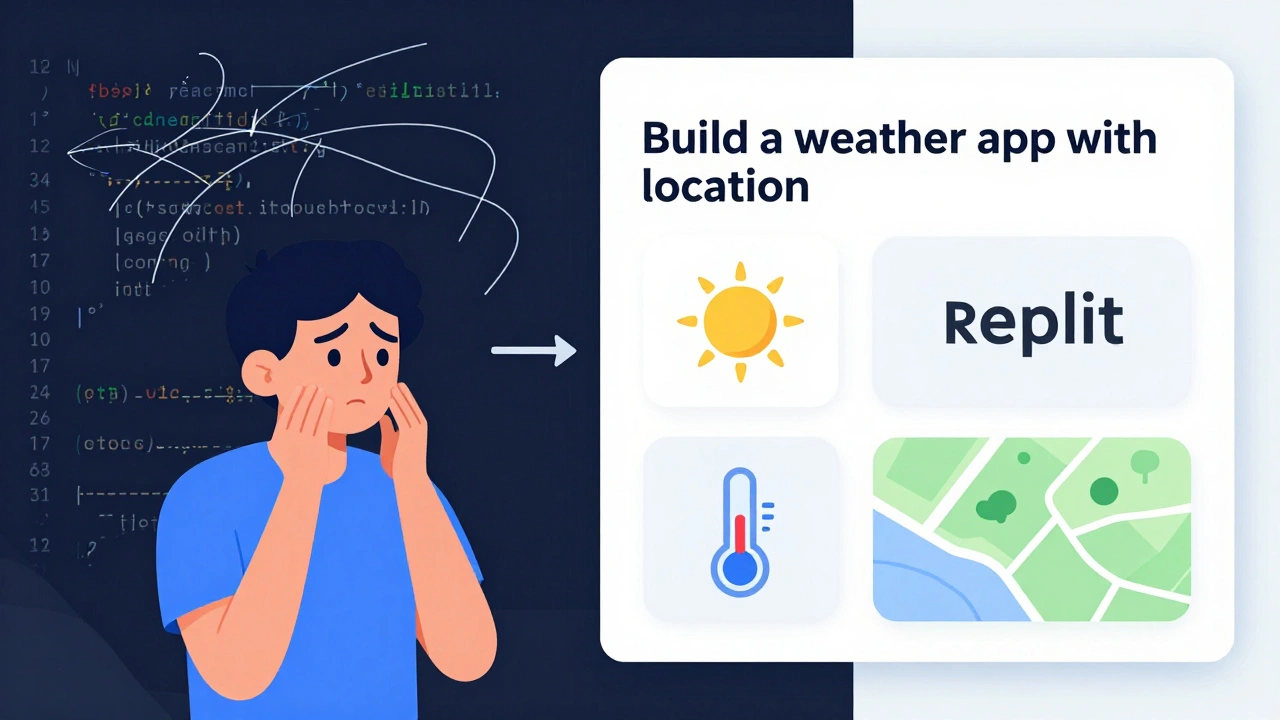
Replit’s "Vibe Coding 101" is the opposite. It’s designed for absolute beginners. No setup. No accounts. Just open your browser and start vibing. It includes 157 guided projects, like building a weather app or a meme generator. Each one breaks down the prompt into chunks: "First, ask for a UI layout. Then, add styling. Then, connect to an API." It takes about 6 hours to finish. And because it’s inside Replit, you can see your code run instantly. That feedback loop is what keeps people going.
Salesforce Trailhead’s "Vibe Coding for Startups" is perfect if you’re building something for business. It doesn’t teach you how to write code - it teaches you how to think like a founder. 70% of the course is about defining what you want: "How do you describe a payment system without knowing what a webhook is?" This is why 84,321 people have earned the certification. It’s not about being a coder. It’s about being a problem-solver.
Templates That Save You Days of Work
Why build a login screen from scratch when someone else already made one that works? That’s the power of vibe coding templates.
Tempo Labs has the most polished library. They offer 217 pre-built components for common business needs: e-commerce carts, CRM dashboards, invoice generators. These aren’t just code snippets - they’re complete, tested modules. One user built a Shopify-like store in 4 hours using their template. The catch? You need to pay $20/month to unlock them all. But if you’re serious about launching a product, it pays for itself.
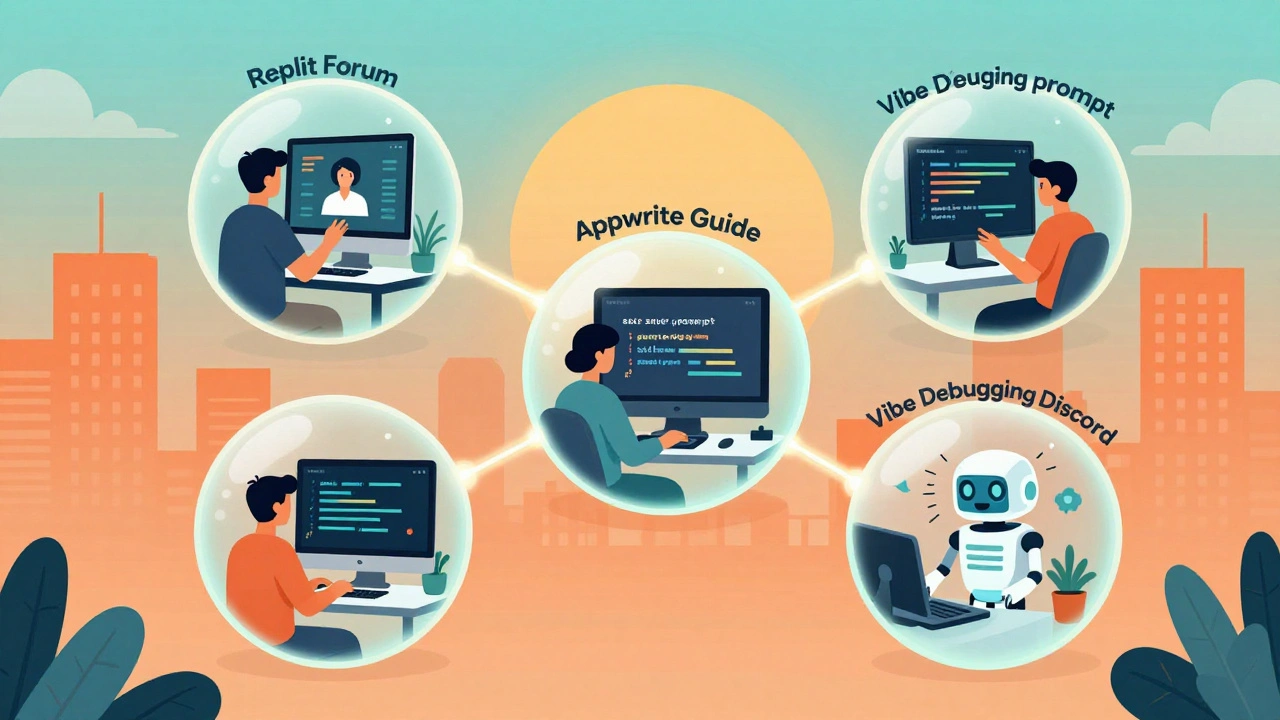
Appwrite’s "Complete Vibe Coding Guide 2025" is free and packed with 87 verified prompt patterns. These aren’t random examples. They’re tested across five major frameworks. Want to generate a secure API endpoint? They show you the exact prompt that avoids injection attacks. This guide has grown from 2,145 stars to over 17,892 in just 10 months. Why? Because it answers the question no one else does: "How do I make sure the AI doesn’t give me dangerous code?"
Cursor’s "Code Vibes" repository is the go-to for experienced users. It has 3,842 community-rated prompt patterns. You can filter by language, framework, or security level. Someone tagged a pattern as "secure for finance apps" - you know it’s safe. Others are marked "fast but risky" - perfect for a prototype. This is where pros go to shave hours off their workflow.
Forums and Communities: The Secret Weapon
Most people think vibe coding is lonely. It’s not. The best vibe coders are part of communities that help them learn faster, avoid mistakes, and stay motivated.
Replit’s community forum is the largest and friendliest. With over 183,000 active members, it’s where beginners find their first wins. They host weekly "Vibe Jam" sessions - live coding events where people build apps together. The average response time to a question is under 2 hours. And the forum’s rating? 4.7 out of 5 on Trustpilot. Why? It’s not about being perfect. It’s about being helpful. A user posted: "I got stuck on my first app. Someone replied with a video fix in 45 minutes. I cried."
The IT Revolution Vibe Coding Community is smaller - only 14,000 members - but it’s the most focused on real-world results. Their "Prompt Pairing" program matches new coders with mentors for 30-minute weekly sessions. Over 90% of participants say they built their first working app within 2 weeks. They also run a security-focused group called "Enterprise Vibe Coding," which was created after ISACA found 68% of public prompts had security flaws.
Reddit’s r/vibecoding is where the raw, unfiltered talk happens. 84,000 members share wins, fails, and hacks. You’ll find threads like: "AI gave me a login page that lets anyone in. How do I fix it?" or "I used a template and got sued. Here’s what went wrong." It’s messy. But it’s real. And if you want to avoid expensive mistakes, this is where you learn.
Discord servers like "Vibe Debugging" (12,453 members) are where you go when you’re stuck. These aren’t general chat rooms. They’re focused on solving specific problems. One server has a bot that auto-replies with common fixes when you type "my AI generated broken code." It’s like having a 24/7 assistant.
What Not to Do
Not all resources are created equal. Here’s what to avoid:
- Google Cloud’s free forum - great content, terrible onboarding. 43% of beginners quit because it assumes too much prior knowledge.
- Tempo Labs’ free tier - only gives you 5 templates. You’ll hit a wall fast.
- Unmoderated forums - if no one checks if the code is secure, you’re playing Russian roulette with your app.
- "Learn vibe coding in 5 minutes" videos - they sell hype, not skills.
How to Build Your Vibe Coding Path
Here’s the simplest roadmap for a complete beginner in 2025:
- Start with Replit’s Vibe Coding 101 (6 hours). Build 5 projects. Get comfortable with the flow.
- Do Salesforce Trailhead’s startup module (5 hours). Learn how to describe what you need - not how to code it.
- Join Replit’s forum and post your first project. Ask for feedback.
- Use Appwrite’s prompt guide to learn secure patterns. Never copy a prompt without checking it.
- Once you’re ready, try a Tempo Labs template for a real business need. Pay for it if it saves you time.
- Find a Discord server like "Vibe Debugging" and ask one question a week.
That’s it. 17-23 hours total. Most people go from zero to building a working app in under a week.
What’s Next?
Vibe coding is changing fast. In 2026, Gartner predicts half of today’s community platforms will disappear. But the ones that survive will focus on two things: security and professional integration.
Google just launched "Vibe Guard" - a community-driven security framework with 127 verified patterns. Replit now lets users rate and update prompt templates like open-source code. These aren’t gimmicks. They’re responses to real risks.
The future belongs to people who treat vibe coding like a craft - not a shortcut. The tools are here. The community is here. All you need is to start.
Do I need to know how to code to use vibe coding?
No. Vibe coding was built for people without coding experience. Over 78% of new users in 2025 had less than six months of coding experience. You don’t need to know Python, JavaScript, or HTML. You just need to be able to describe what you want clearly. That said, understanding basic concepts like APIs, databases, and user authentication helps you avoid bad code. The best vibe coders aren’t the ones who write the most code - they’re the ones who ask the best questions.
Is vibe coding safe? Can AI generate harmful code?
Yes, AI can generate dangerous code - and it often does. ISACA’s 2025 audit found 68% of shared prompts in public forums include security flaws like SQL injection, exposed API keys, or weak authentication. That’s why using trusted templates and learning secure prompt patterns matters. Always check your code. Never trust AI blindly. Use resources like Appwrite’s guide or Google’s Vibe Guard to spot red flags. The goal isn’t to write perfect code - it’s to write code you can trust.
What’s the best free resource for beginners?
Replit’s "Vibe Coding 101" is the best free starting point. It’s designed for total beginners, requires no setup, and gives you instant feedback. You can build your first app in under 6 hours. It’s not the most advanced, but it’s the most beginner-friendly. Once you’re comfortable, move to Salesforce Trailhead for business thinking, and then use Appwrite’s guide to learn security.
How long does it take to get good at vibe coding?
You can build your first working app in 17-23 hours of focused learning, according to Appwrite’s 2025 study. That’s about 3-5 days if you put in an hour a day. But "getting good" means knowing when the AI is wrong, how to fix it, and how to ask better prompts. That takes practice - and community feedback. Most people feel confident after 50-80 hours of building and debugging. It’s not about speed. It’s about learning to think like a product owner, not just a coder.
Should I pay for vibe coding tools?
Only if you’re building something real. Free tools like Replit and Google Cloud are enough to learn. But if you’re launching a product, paying for Tempo Labs’ templates or Cursor’s advanced features saves you weeks of work. The $20/month cost for a template library pays for itself if it helps you ship faster. The same goes for mentorship in communities like IT Revolution - if it helps you avoid a $5,000 mistake, it’s worth it. Don’t pay for hype. Pay for results.
Are vibe coding communities reliable for support?
Some are, some aren’t. Replit’s forum has a 2-hour average response time and high-quality answers. Reddit’s r/vibecoding is full of real stories and warnings. But many small Discord servers or forums have no moderation - you’ll get bad advice. Stick to large, active communities with clear rules and verified contributors. Look for servers that have "vibe audits," "prompt ratings," or "security checks" - those are signs of a trustworthy group.
Rakesh Kumar
December 13, 2025 AT 12:08This changed everything for me. I used to spend nights debugging semicolons and now I just say 'make a dark mode todo app that reminds me to drink water' and boom - it works. I cried the first time. Not because it was perfect, but because it finally let me build something without feeling like an imposter.
Bill Castanier
December 13, 2025 AT 23:39Replit 101 is the only place to start. No setup. No fluff. Just do the projects. Everything else is noise.
Ronnie Kaye
December 14, 2025 AT 02:15Let me get this straight - you’re telling me I can skip learning JavaScript and just ask AI to make me a website? And people are still paying $10k for coding bootcamps? Bro. The future is here and it’s got a chatbox and zero patience for gatekeeping.
Priyank Panchal
December 15, 2025 AT 08:47You people are delusional. You think this is coding? You’re just copying garbage prompts and calling it a career. I’ve seen 12-year-olds in Mumbai build real apps with Python and Git. This vibe crap is a crutch for people who don’t want to learn. Appwrite’s guide? It’s a Band-Aid on a severed artery. Stop pretending this is skill.
Ian Maggs
December 16, 2025 AT 19:09It’s fascinating, isn’t it? The very act of describing intent - rather than prescribing syntax - reveals a deeper shift: we’re moving from mechanistic instruction to communicative collaboration. The AI doesn’t execute code; it interprets desire. And yet… we still demand perfection from a system that thrives on ambiguity. Is this progress? Or merely a more elegant form of outsourcing thought?
Michael Gradwell
December 18, 2025 AT 10:59Tempo Labs costs $20 a month? Wow. You’re paying for templates when you could just Google it. And Replit’s forum? That’s where beginners go to post screenshots of their broken code and cry. If you can’t figure out how to build a login page by now, maybe don’t become a dev. Just sayin’.