How Generative AI Transforms Performance Reviews and Career Paths in HR
 May, 17 2026
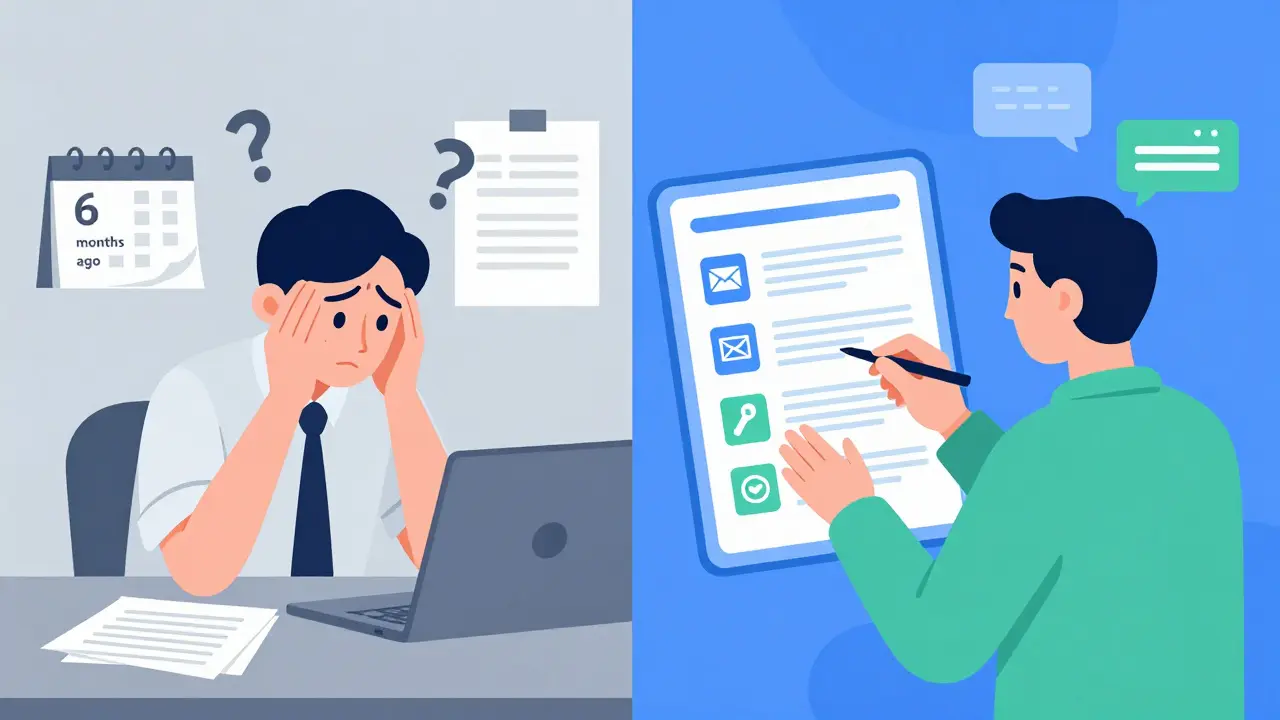
Imagine sitting down with your manager for a performance review. In the past, this meeting might have felt like a guessing game based on vague memories from six months ago. Today, that dynamic is shifting. Generative AI is transforming how human resources teams handle performance evaluations and career development. It’s not just about automating paperwork; it’s about creating fairer, more personalized pathways for employees to grow.
In early 2026, the conversation around GenAI in HR has moved beyond hype. According to Lattice’s 2025 State of People Strategy Report, which surveyed over 1,200 HR professionals across North America and Europe, performance reviews are now the second most common use case for AI in HR, right after writing job descriptions. About 68% of organizations are already using these tools. But why the sudden shift? And more importantly, does it actually help people get promoted or improve their skills?
The Problem with Traditional Performance Reviews
Let’s be honest: traditional performance reviews are often broken. Managers are busy. They don’t always remember every win or mistake an employee made throughout the year. This leads to "recency bias," where only the last few weeks matter. Or worse, ratings become inflated because managers want to keep morale high, even if performance isn’t stellar.
Josh Bersin, founder of the Josh Bersin Academy, noted in January 2026 that the HR profession is undergoing a massive, AI-driven reinvention. The goal isn’t to replace humans but to fix these systemic issues. When you rely on memory alone, you miss context. Generative AI solves this by connecting structured data-like sales numbers or project completion rates-with unstructured data, such as feedback comments and meeting notes.
Think of it like having a super-powered assistant who reads every email, Slack message, and project update related to an employee. That assistant then drafts a balanced summary. This doesn’t remove the human touch; it ensures the human touch is informed by facts, not just feelings.
How AI Improves Performance Review Quality
So, what does this look like in practice? Platforms like Lattice offer features such as Performance Insights. These tools don’t just write generic praise. They analyze specific behaviors and outcomes.
- Reduced Writing Time: Lattice reports that their AI feature reduces the time managers spend writing reviews by 47%. That’s hours saved per manager, allowing them to focus on actual conversations rather than typing up documents.
- Fairer Ratings: By standardizing language, AI helps reduce rating inflation by 19%. If two managers use similar criteria, the AI ensures the feedback sounds consistent, reducing the chance that one department gets unfairly harsh reviews compared to another.
- Higher Satisfaction: Employees reported a 32% increase in satisfaction with the review process when AI assisted in drafting the content. Why? Because the feedback felt more comprehensive and less biased.
However, there’s a catch. As Mark Reynolds, a People Operations Lead at GrowthCo, noted in a December 2025 review, AI suggestions can sometimes feel "overly generic." If the model hasn’t been tuned to your company’s specific culture, it might suggest clichés like "team player" without evidence. This is why customization is key. You need to train the AI on your company’s values and competency frameworks.
Career Pathing: From Guesswork to Data-Driven Plans
Performance reviews are only half the story. The other half is career growth. Historically, career pathing was reactive. An employee would ask, "How do I get promoted?" and the manager might say, "Just keep doing good work." Vague, right?
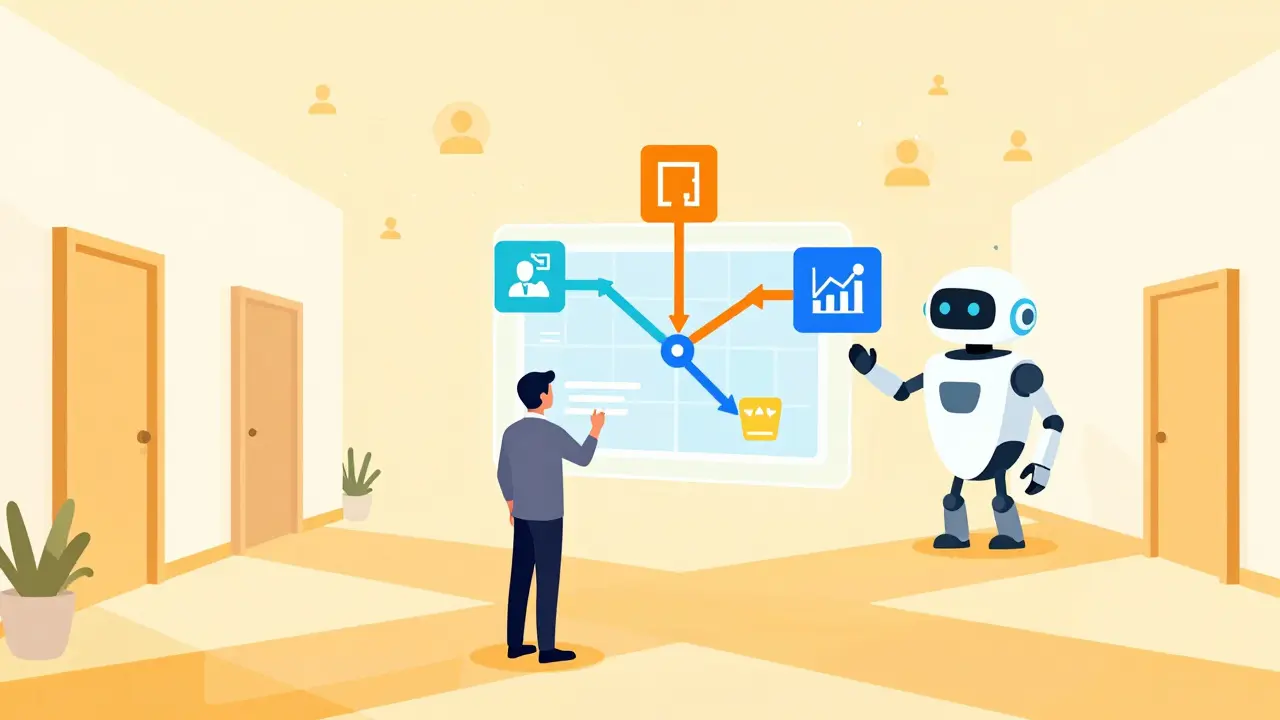
Generative AI changes this by analyzing years of data. Tools like Eightfold AI and Lattice’s Recommended Growth Plans look at an employee’s current skills, past performance, and internal mobility patterns. They then compare this against open roles or desired future positions within the company.
Here’s how it works:
- Skill Gap Analysis: The AI identifies what skills the employee lacks for their next role. Maybe they need advanced Python knowledge or leadership training.
- Personalized Recommendations: Instead of sending them to a generic training portal, the AI suggests specific courses, mentors, or projects that fill those gaps.
- Faster Identification: Assessio’s 2026 research shows these systems can identify relevant internal opportunities 83% faster than manual methods. This means high-potential employees aren’t overlooked simply because no one noticed their potential.
A Fortune 500 technology company tested this approach in early 2026. Within 12 months, internal mobility increased by 27%. Employees stayed longer because they saw a clear path forward, and the company retained institutional knowledge instead of losing staff to competitors.
| Feature | Traditional Method | AI-Assisted Method (2026) |
|---|---|---|
| Review Writing Time | 3-5 hours per employee | ~2 hours (47% reduction) |
| Bias Risk | High (subjective memory) | Moderate (requires validation) |
| Career Path Clarity | Vague, verbal advice | Data-backed skill maps |
| Internal Mobility Speed | Months to identify candidates | Days (83% faster) |
| Employee Satisfaction | Variable | +32% improvement |
The Risks: Bias, Privacy, and the "Human Element"
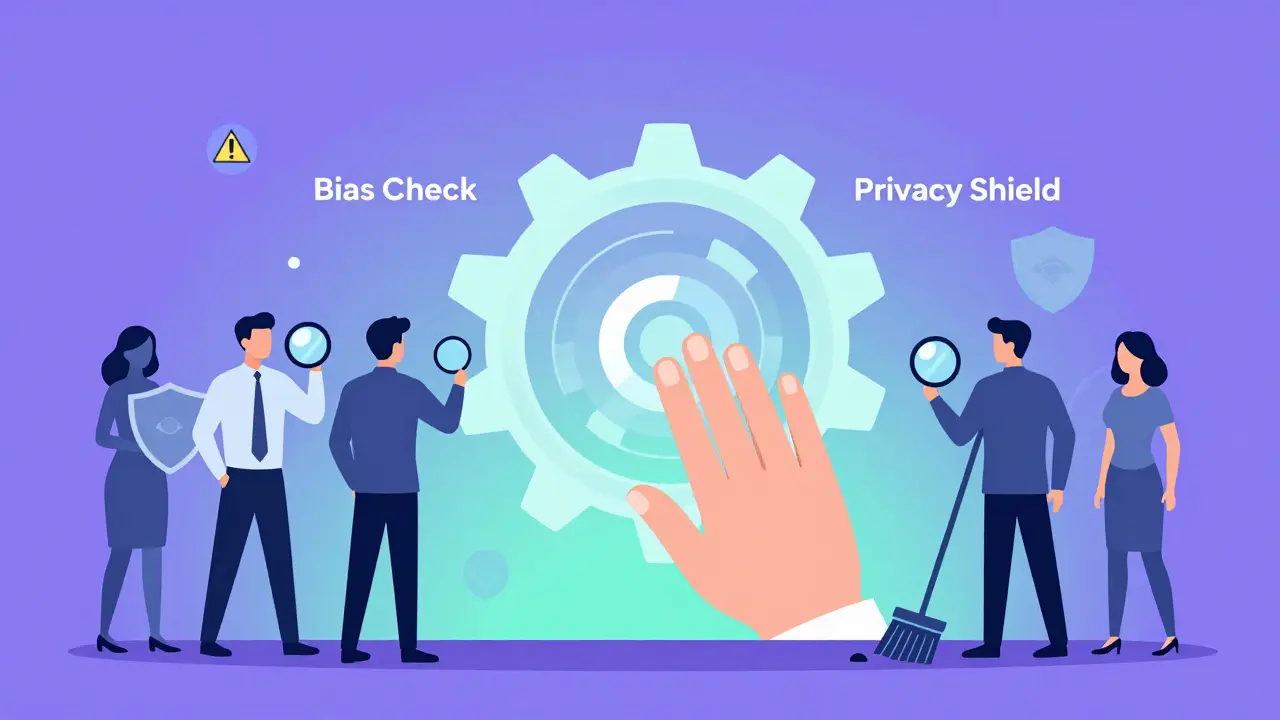
If AI sounds too good to be true, it’s because it has risks. The biggest concern is bias. If your historical performance data contains biases-for example, if certain groups were historically rated lower due to unconscious prejudice-the AI will learn and amplify those patterns. HR Acuity warned in their 2026 analysis that without proper validation, AI systems can create "unintended barriers to advancement" for underrepresented groups.
To mitigate this, companies must audit their data regularly. Natalie Kroll, author of *HR’s AI Playbook*, emphasizes that the real advantage lies in empowering people with intelligent systems that enhance empathy and equity. This means keeping humans in the loop. AI should draft the review, but the manager must validate it. AI should suggest a career path, but the employee must agree it aligns with their goals.
Privacy is another hurdle. With regulations like the EU AI Act taking effect in February 2026, transparency is non-negotiable. Companies must explain how AI influences hiring and promotion decisions. In the US, GDPR and CCPA compliance frameworks still apply to data handling. You need to ensure that sensitive employee data is secure and used only for intended purposes.
Implementation: What It Takes to Get Started
You can’t just buy an AI tool and expect magic. Successful implementation requires planning. AIHR’s January 2026 research shows that organizations typically invest 8-12 weeks in preparation before full deployment. Here’s what that looks like:
- Data Cleanup: Ensure your HRIS (like Workday or SAP SuccessFactors) has clean, accurate data. Garbage in, garbage out.
- Prompt Engineering Training: Teach HR teams how to interact with the AI. 82% of HR leaders rate prompt engineering as essential. Knowing how to ask the right questions yields better insights.
- Customization: Dedicate at least 20 hours to customizing the AI models to your specific competency frameworks. Generic models won’t understand your unique company culture.
- Change Management: Address employee concerns. Be transparent about how AI is used. Explain that it’s a tool to help them, not replace their manager.
Companies with modern cloud HRIS platforms report 30% faster adoption than those with legacy systems. If you’re still on older software, integration might be complex and require additional support from vendors like The Hackett Group or specialized consultants.
The Future: Secure AI Agents and Strategic HR
Where is this heading? By 2028, Gartner forecasts that 75% of performance review feedback will be AI-assisted but human-validated. We’re moving toward "secure AI agents" that fuse predictive analytics with human empathy. These agents won’t just look back at past performance; they’ll predict future needs, helping companies forecast hiring gaps and measure engagement in real time.
Joshs Bersin cautions that while AI automates tactical work, it may not shrink the size of HR departments. Instead, new roles will emerge. HR salaries might go up because specialized oversight roles are needed to manage these complex systems. The ratio of HR staff to employees could reach 200:1 or even 400:1, but the value of each HR professional will increase significantly.
Ultimately, generative AI in HR is about democratizing insights. It translates complex assessments into practical guidance that anyone can understand. This shifts HR from being a data gatekeeper to a strategic partner. For employees, it means fairer reviews and clearer career paths. For companies, it means retaining top talent and driving business performance through equitable development.
Is generative AI replacing HR managers?
No. Generative AI is designed to augment HR managers, not replace them. While it handles administrative tasks like drafting reviews and identifying skill gaps, human judgment is still crucial for interpreting emotional contexts, managing sensitive conversations, and ensuring fairness. Experts predict that HR roles will evolve to focus more on strategy and empathy, potentially increasing the value and salary of these positions.
How does AI reduce bias in performance reviews?
AI reduces bias by standardizing feedback language and relying on data rather than memory. For example, Lattice reports a 19% reduction in rating inflation when AI assists in reviews. However, AI can also amplify existing biases if the underlying data is flawed. Therefore, regular audits and human validation are essential to ensure fairness and equity.
What are the best tools for AI-driven career pathing?
Leading platforms include Lattice (with its Recommended Growth Plans), Eightfold AI (for skills intelligence), and solutions from The Hackett Group. These tools integrate with major HRIS systems like Workday and SAP SuccessFactors to provide personalized development recommendations based on skills gap analysis and internal mobility patterns.
How long does it take to implement generative AI in HR?
Successful implementation typically takes 8-12 weeks of preparation before full deployment. This includes cleaning data, customizing AI models to company competencies, training staff on prompt engineering, and managing change. Organizations with modern cloud HRIS platforms tend to adopt these tools 30% faster than those with legacy systems.
Are there privacy concerns with using AI in HR?
Yes. Handling employee data requires strict compliance with regulations like GDPR, CCPA, and the EU AI Act (effective February 2026). Companies must ensure transparency in how AI influences decisions and protect sensitive information. Proper security frameworks and regular audits are necessary to maintain trust and legal compliance.