Independent Audits of Generative AI: How Assessments and Certifications Work in 2026
 May, 1 2026
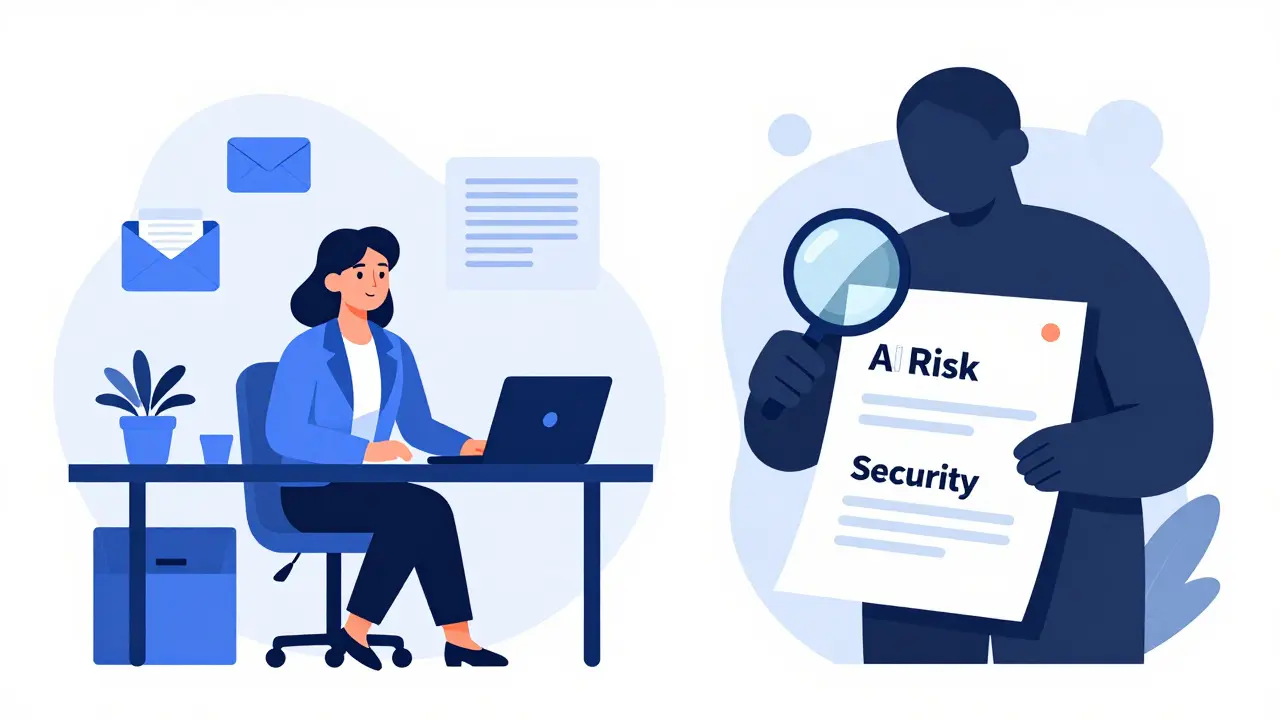
You deployed that new generative AI tool to speed up your workflow. It writes emails, analyzes data, and drafts reports faster than any human could. But here is the uncomfortable truth you might be ignoring: nobody actually knows if it is lying, biased, or leaking your proprietary secrets. This is where independent AI audits come into play. They are not just a bureaucratic checkbox anymore; they are becoming the price of admission for doing business in a regulated world.
In 2026, the era of "move fast and break things" is officially over when it comes to artificial intelligence. Regulators, investors, and customers demand proof that your AI systems are safe, fair, and secure. An audit is the structured process where a neutral third party verifies that your AI complies with laws like the European Union AI Act and internal ethical standards. Without this external verification, you are flying blind, risking massive fines, reputational damage, and operational failures.
The Scope of an Independent AI Audit
When you hire an auditor, they do not just glance at your code. They tear apart the entire lifecycle of your AI system. The scope is broad because the risks are interconnected. A bias in your training data can lead to a security vulnerability, which then violates privacy regulations. Here is what auditors actually look at:
- Data Quality and Consent: Where did the training data come from? Do you have the legal right to use it? Is it documented properly?
- Model Behavior: Does the model perform equally well across different demographic groups? Can it explain its decisions (explainability)?
- Security Protocols: Who has access to the model weights and the underlying data? Is there protection against unauthorized extraction or manipulation?
- Governance Processes: Who is responsible when the AI makes a mistake? Do you have clear incident response plans?
- Transparency: Is there documentation available that explains how the model works and its limitations?
This isn't about finding bugs; it is about assessing risk. The auditor checks if your governance processes match your technical reality. If your policy says "we monitor for bias" but you have no metrics tracking fairness, you fail the audit.
Regulatory Frameworks Driving Mandatory Audits
You cannot ignore the legal landscape. Several major frameworks are now mandating or strongly encouraging these assessments. Ignorance is no longer a defense.
The EU AI Act is the most aggressive regulator on the block. For high-risk AI systems, it mandates conformity assessments before market entry and post-market monitoring afterward. This means you need an audit-ready posture from day one. In the United States, while there is no single federal law banning bad AI yet, the NIST AI Risk Management Framework (RMF) sets the gold standard. Its "Measure" function requires organizations to identify, analyze, and manage risks through specific metrics. Even though it is voluntary, insurers and enterprise clients often require NIST RMF compliance as a condition of contract.
Canada is also moving quickly with Bill C-27, which includes mandatory rules for high-impact AI systems. Globally, standards like ISO/IEC 42001 provide the blueprint for building audit-ready processes. These standards focus on monitoring, documentation, and risk assessment practices that align with international expectations.
Emerging Standards: IAAIS and Trust Infrastructure
Beyond government regulation, industry bodies are creating their own certification paths. One notable initiative is the International AI Audit and Integrity Standard (IAAIS), designed by ForHumanity. This standard aims to build an infrastructure of trust for all AI systems impacting humans. It covers five critical dimensions: Ethics, Bias, Privacy, Trust, and Cybersecurity.
IAAIS is particularly relevant for publicly traded companies. It seeks to codify best practices that mitigate risks to humans across diverse AI implementations. While not yet a law, having an IAAIS certification signals to investors and partners that you take integrity seriously. It moves the conversation from "does it work?" to "can we trust it?"
| Framework/Standard | Type | Key Requirement | Scope |
|---|---|---|---|
| EU AI Act | Law | Mandatory conformity assessments for high-risk AI | European Union |
| NIST AI RMF | Framework | Risk measurement and management functions | United States (Voluntary but widely adopted) |
| Bill C-27 | Legislation | Mandatory rules for high-impact AI | Canada |
| ISO/IEC 42001 | Standard | Audit-ready processes for AI management systems | Global |
| IAAIS | Certification | Ethics, Bias, Privacy, Trust, Cybersecurity | Global (Targeting public entities) |
Who Conducts These Audits?
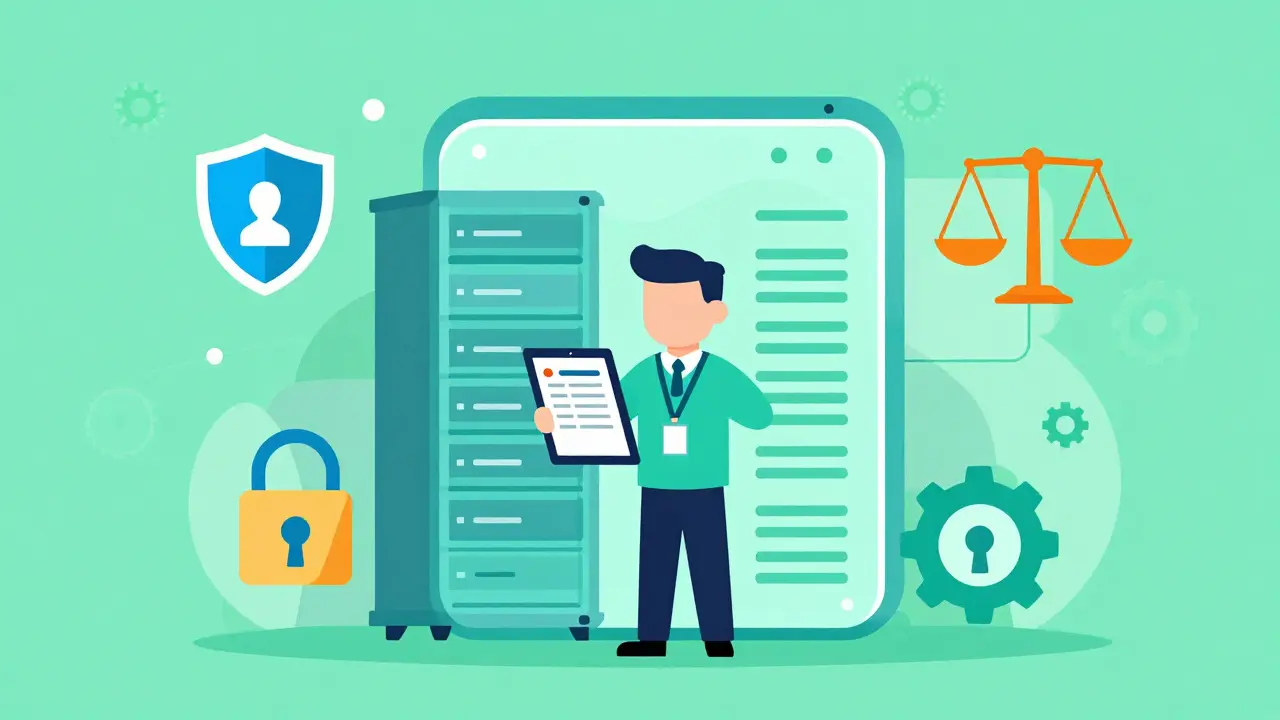
You cannot audit yourself. Independence is key. Qualified auditors must possess diverse expertise across technical, legal, and ethical domains. These are not just IT guys checking servers. You are looking for certified auditors, specialized consulting firms, or nonprofit laboratories with specific AI audit specialization.
For internal reviews, you should form a cross-functional team. Include representatives from compliance, human resources, information technology, and legal departments. Typically, the head of compliance or in-house counsel spearheads this effort. However, remember that internal audits are for self-correction. External audits are for accountability.
The 11-Step Audit Process for Generative AI
If you want to pass an audit, you need to prepare systematically. Here is a practical checklist based on best practices for workplace generative AI audits:
- Identify a Cross-Functional Team: Gather voices from various departments to reduce blind spots.
- Map All AI Tools: Create an inventory of every AI tool in use, including shadow IT.
- Assess for Bias: Test models across different demographic groups and user populations.
- Review Vendor Contracts: Ensure third-party providers meet your compliance standards.
- Document Data Sources: Keep records of where training data came from and how it was curated.
- Capture Model Parameters: Record version numbers, hyperparameters, and configuration settings.
- Record Interventions: Document any steps taken to address identified biases or errors.
- Evaluate Transparency: Check if documentation is accessible and understandable to non-experts.
- Establish Governance Frameworks: Define clear policies for AI usage.
- Assign Responsibility: Designate owners for each AI system and outcome.
- Implement Access Controls: Restrict who can modify or access sensitive model components.
After these steps, establish ongoing monitoring. Key performance indicators should include bias metrics, accuracy rates, user satisfaction scores, and compliance incident reports. Feedback mechanisms for employees to report AI concerns are crucial quality control tools.

Governance and Continuous Monitoring
An audit is a snapshot in time. To maintain compliance, you need continuous monitoring. High-risk systems typically require annual independent audits at minimum. However, trigger-based audits should occur after significant changes to the AI system, following incidents, or when required by regulators.
Build traceability into your AI lifecycle. Keep logs of data sources, model changes, and decision outcomes. Adopt a risk-based approach: classify systems based on potential impact and apply appropriate controls. Assign clear ownership by designating audit points of contact across legal, technical, and compliance teams. This ensures accountability and coordination throughout the audit process.
Remember, excessive dependence on AI tools can lead to complacency. Internal audit teams must maintain human judgment and oversight even as they use generative AI to enhance efficiency. The goal is not to replace human oversight but to augment it with verified, transparent technology.
Why This Matters for Your Business
A recent survey by the Center for Audit Quality found that one in three audit partners see companies deploying AI in financial and operational functions. This widespread adoption means that AI auditing is no longer a niche concern; it is a mainstream business requirement. Organizations that fail to prioritize transparency and assessment risk losing public trust and facing regulatory penalties.
By preparing for independent assessments and seeking certifications like IAAIS or ISO/IEC 42001 alignment, you demonstrate maturity and responsibility. You protect your brand, your customers, and your bottom line. In the age of generative AI, trust is the ultimate currency. Audits are how you prove you deserve it.
How often should I conduct an independent AI audit?
For high-risk AI systems, annual independent audits are the minimum standard. However, you should also conduct trigger-based audits after significant model updates, security incidents, or regulatory changes. Continuous monitoring supplements periodic audits to ensure ongoing compliance.
What is the difference between an internal and an independent AI audit?
An internal audit is conducted by your own cross-functional team to identify issues and improve processes. An independent audit is performed by a neutral third party with technical, legal, and ethical expertise to verify compliance and provide external accountability.
Is the NIST AI RMF mandatory for US companies?
No, the NIST AI Risk Management Framework is voluntary. However, it is widely adopted as the industry standard for measuring and managing AI risks. Many enterprise clients and insurers may require NIST RMF compliance as a condition of doing business.
What does the EU AI Act require for high-risk AI systems?
The EU AI Act mandates conformity assessments before market entry and post-market monitoring for high-risk AI systems. This includes rigorous testing for safety, accuracy, and bias, as well as comprehensive documentation and transparency requirements.
How can I prepare my organization for an AI audit?
Start by mapping all AI tools in use, documenting data sources and model parameters, and establishing clear governance frameworks. Implement access controls, assign responsibility for each system, and set up continuous monitoring with key performance indicators like bias metrics and accuracy rates.
What is the International AI Audit and Integrity Standard (IAAIS)?
IAAIS is an emerging certification standard designed by ForHumanity to build trust in AI systems. It covers five dimensions: Ethics, Bias, Privacy, Trust, and Cybersecurity. It is particularly targeted at publicly traded companies to codify best practices and mitigate risks to humans.
Who should lead the internal AI audit team?
Typically, the head of compliance, in-house counsel, or an HR executive leads the internal audit team. The team should be cross-functional, including representatives from IT, legal, compliance, and other departments with significant stakes in AI usage.
What are the key areas examined during an AI audit?
Auditors examine data quality and consent, model behavior (fairness, explainability), security protocols, governance processes, and transparency. They verify that technical implementations align with documented policies and regulatory requirements.
Sandy Pan
May 2, 2026 AT 07:45It is almost poetic how we have traded our autonomy for the illusion of efficiency, isn't it? We are building these digital oracles that whisper answers into our ears, yet we refuse to ask them where their voices come from. The concept of an 'audit' feels like a desperate attempt to impose human morality on a machine that simply calculates probabilities without conscience.
We are not just checking boxes; we are trying to define what it means to be trustworthy in a world where truth is algorithmically generated. If the data is biased, the mirror is cracked, and no amount of governance can fix the reflection. This is the great philosophical crisis of our time: do we trust the process because it is efficient, or do we reject it because it is opaque? The silence of the auditor is louder than the noise of the AI.
Eric Etienne
May 2, 2026 AT 22:53This whole thing is just corporate theater designed to make you feel safe while they strip-mine your data.
Dylan Rodriquez
May 4, 2026 AT 01:31I think we should look at this as a collective opportunity to build something better together rather than just fearing the regulations. It is easy to get cynical about compliance, but imagine if every company actually prioritized fairness and transparency as a core value instead of just a legal hurdle.
We can all play a part in this by demanding more from the tools we use and supporting organizations that are transparent about their processes. When we approach AI with curiosity and hope, we invite innovation that serves everyone, not just the bottom line. Let us remember that technology is only as good as the values we embed within it, and those values start with each of us choosing to engage responsibly.
There is a real chance here to redefine what trust looks like in the digital age, and I believe we can rise to meet that challenge if we stay open-minded and supportive of one another through the transition.
Amanda Ablan
May 4, 2026 AT 18:54I appreciate the detailed breakdown of the frameworks here because it helps demystify what is often presented as overly complex jargon. For those feeling overwhelmed by the EU AI Act or NIST standards, focusing on the core principle of 'traceability' can be a helpful starting point for internal reviews.
You do not need to achieve perfect compliance overnight, but establishing clear documentation practices now will save significant stress later when audits become mandatory. It is also worth noting that many small businesses can leverage existing ISO standards as a baseline before seeking specialized certifications like IAAIS. The key is consistency in recording decisions and data sources, which creates a natural audit trail regardless of the specific regulatory framework applied.
Meredith Howard
May 6, 2026 AT 12:58i wonder if the current focus on technical metrics overlooks the nuanced social impacts that cannot be easily quantified by algorithms alone perhaps we need more qualitative assessment methods