How Generative AI Transforms Insurance Claims: Triage, Letters, and Fraud Detection
 Jul, 1 2026
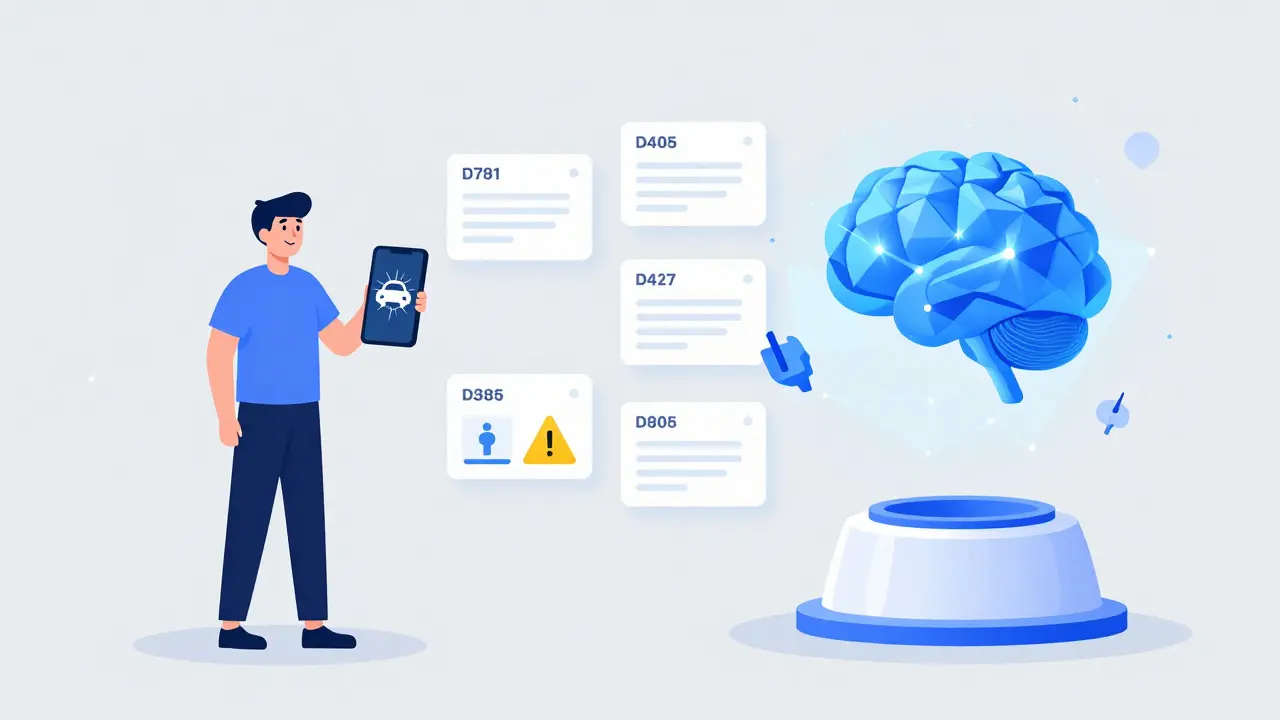
Imagine filing a car insurance claim on a Tuesday morning. By Wednesday afternoon, you’ve received a personalized letter explaining your coverage, an adjuster has reviewed the photos of your dented bumper, and the system has already flagged that the repair estimate is 20% higher than the regional average for similar damage. This isn’t science fiction; it’s the new reality of insurance operations powered by generative artificial intelligence (GenAI). For decades, the insurance industry relied on manual processes that were slow, expensive, and prone to human error. Claims handlers spent hours sifting through paperwork, typing up status updates, and trying to spot inconsistencies in massive files. Today, as we move through 2026, generative AI has shifted from experimental pilots to core operational infrastructure. It doesn’t just speed things up; it fundamentally changes how insurers handle First Notice of Loss (FNOL), communicate with policyholders, and detect fraud. If you are working in insurance tech or management, understanding these shifts is no longer optional-it’s essential for staying competitive.
Automating Claims Triage: From Chaos to Clarity
The first point of contact in any insurance claim is the First Notice of Loss (FNOL). Traditionally, this was a bottleneck. A customer calls or submits a form, and a handler manually types out details like the date of loss, location, parties involved, and preliminary severity. This data entry is tedious and often inconsistent. Claims triage using generative AI agents automates this intake process entirely. When a claim comes in, an AI agent immediately extracts critical data points from unstructured inputs-whether that’s a voice call transcript, a text message, or a scanned document. The system checks these facts against policy language and regulatory thresholds. For example, if a claim involves bodily injury or exceeds a specific monetary value, the AI flags it for immediate escalation. If it’s a minor fender-bender with clear liability, it might be routed to an automated settlement path. This intelligent routing is where the real value lies. Instead of every claim going into a general queue, the system segments them by complexity. Simple claims get fast-tracked, while complex cases involving ambiguous coverage or high stakes are assigned to senior adjusters. Implementation case studies from major carriers show that GenAI solutions achieve roughly 90% accuracy in categorizing and routing incoming queries. This means fewer misrouted claims, less administrative overhead, and faster initial responses for customers who are often stressed and anxious after an incident.
Generating Personalized Claim Letters at Scale
Communication is the backbone of customer satisfaction in insurance, yet it has historically been one of the most labor-intensive parts of the job. Adjusters used to spend significant time drafting letters to notify claimants of status updates, request additional documentation, or authorize payments. These letters often came from rigid templates that felt robotic and impersonal.
Generative AI changes this by creating dynamic, personalized correspondence tailored to each specific claimant and situation. The AI pulls data from the claim file-such as the specific type of damage, the agreed-upon repair timeline, and the next steps required-and drafts a clear, empathetic, and accurate letter in seconds. Unlike static templates, these messages can adapt their tone and content based on the context. For instance, a letter following a natural disaster might include resources for emotional support, while a routine auto claim letter focuses strictly on logistics. Beyond external communication, the AI also generates internal documents. It can compile witness statements, summarize police reports, and draft investigation reports without manual compilation. This capability ensures that every stakeholder-from the policyholder to the repair shop to the legal team-receives consistent, timely information. The result is a smoother claims journey where the customer feels heard and informed, rather than lost in a black box of bureaucracy.
Detecting Fraud with Pattern Recognition
Fraudulent claims cost the insurance industry billions annually. Traditional fraud detection relied on rule-based systems that looked for obvious red flags, like duplicate claim numbers or known fraudulent phone numbers. While useful, these systems missed subtle, sophisticated schemes.
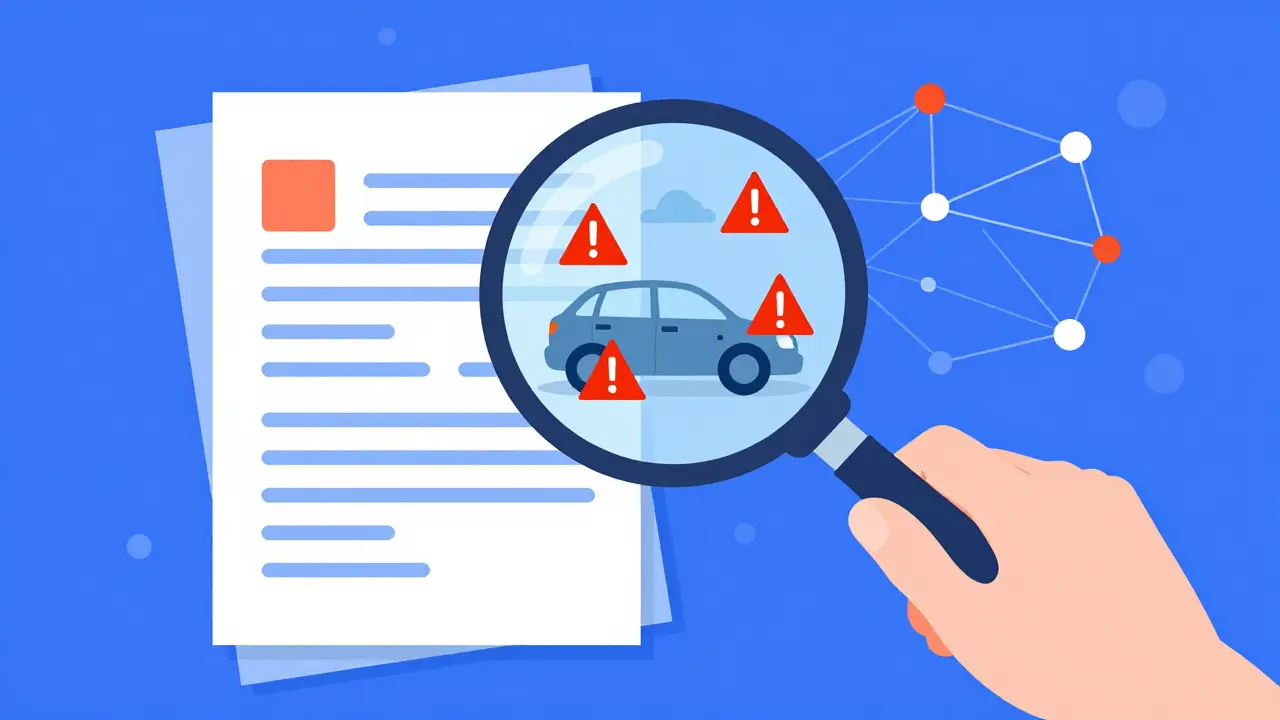
Fraud detection enhanced by generative AI goes far beyond simple rule matching. The technology analyzes vast amounts of structured and unstructured data to identify anomalies and patterns that humans would likely miss. For example, the AI might notice that a specific repair shop consistently submits invoices for parts that don’t match the vehicle model described in the police report. Or it might detect inconsistencies between a claimant’s description of an accident and the weather conditions recorded at that location and time. The AI compares current claims against historical data, regional benchmarks, and known fraud indicators encoded into its knowledge graph. It can even analyze images submitted by claimants to assess whether the visual evidence matches the written description of damages. A global insurance group implementing such AI-powered automation reported identifying issues in 90% of incoming communications, a rate significantly higher than manual review. This doesn’t mean every flagged claim is fraudulent; rather, it means the system prioritizes the most suspicious cases for human investigators, allowing them to focus their efforts where they matter most.

Analyzing Documents and Evidence Instantly
A single complex insurance claim can involve hundreds of pages of documentation: medical records, police reports, repair estimates, invoices, and policy documents. Reviewing all this material manually is time-consuming and increases the risk of oversight. Generative AI acts as a super-fast analyst, processing these documents in seconds.
The system performs several key tasks during document review:
- Inconsistency Identification: It highlights discrepancies, such as treatment codes in medical records that do not align with the injury description provided by the patient.
- Coverage Verification: It compares the facts of the loss against the specific policy language in force, identifying applicable coverage sections and potential exclusions.
- Cost Benchmarking: It checks repair invoices against regional averages to flag overcharges or unnecessary services.
- Image Analysis: It interprets visual data from photos to assess the extent of damages, providing an objective baseline for adjusters.
This rapid analysis allows adjusters to make informed decisions much faster. Instead of spending days reading through files, they receive a concise summary highlighting key issues, coverage determinations, and recommended next actions. This efficiency directly reduces cycle times and lowers handling expenses.
Predictive Settlements and Litigation Strategy
Beyond processing and detecting fraud, generative AI helps insurers predict outcomes. Systems can generate initial settlement recommendations based on historical claim data, policy terms, and jurisdictional requirements. This promotes consistency and fairness, ensuring that similar claims are treated similarly regardless of which adjuster handles them.
The technology also aids in litigation strategy. By analyzing narrative factors, plaintiff characteristics, and jurisdictional trends, the AI can predict the likelihood of attorney involvement and suggest optimal negotiation strategies. It can automatically summarize plaintiff demand packets, guiding settlement teams toward resolutions that minimize legal costs while protecting the insurer’s interests. Claims teams can ask specific questions like, “What is the average settlement for this type of injury in this county?” and receive a complete analytical picture rather than raw data requiring manual interpretation.
Comparison: Manual vs. AI-Driven Claims Processing
| Feature | Traditional Manual Process | Generative AI-Enhanced Process |
|---|---|---|
| Intake Speed | Hours to days (manual data entry) | Seconds (automated extraction & routing) |
| Document Review | Manual reading, high error risk | Instant analysis, inconsistency flagging |
| Communication | Generic templates, delayed sending | Personalized letters, real-time dispatch |
| Fraud Detection | Rule-based, misses subtle patterns | Pattern recognition, cross-data anomaly detection |
| Adjuster Focus | Administrative tasks, data entry | Complex negotiations, human judgment |
Implementation Challenges and Governance
While the benefits are clear, implementing generative AI in insurance is not without challenges. Data security is paramount, as claim files contain sensitive personal health and financial information. Insurers must ensure that AI platforms comply with regulations like HIPAA and GDPR. Additionally, there is the issue of "hallucinations"-where AI generates plausible but incorrect information. To mitigate this, leading platforms use AI guardrails and Knowledge Graphs to retrieve company-specific data, ensuring accuracy.
Governance structures are also critical. AI should augment, not replace, human decision-making. Complex coverage questions, ambiguous policy language, and relationship management still require human expertise. The goal is to create a hybrid model where AI handles the heavy lifting of data processing and routine communication, freeing adjusters to focus on high-value activities that require empathy and nuanced judgment.
The Future: From Generative to Agentic AI
We are currently seeing the transition from generative AI, which creates text and analyzes documents, to agentic AI. These systems will autonomously execute multi-step claims workflows with predefined decision rules. Imagine an AI agent that not only drafts a letter but also negotiates with a repair shop, schedules a tow truck, and processes payment-all without human intervention, within set boundaries. Over the next three to five years, this level of automation will become the standard, reshaping the insurance landscape once again.
Is generative AI replacing insurance adjusters?
No, generative AI is designed to augment adjusters, not replace them. It handles repetitive tasks like data entry, document summarization, and routine communications. This allows adjusters to focus on complex cases, negotiation, and building relationships with claimants, which require human empathy and judgment.
How does AI detect insurance fraud better than humans?
AI detects fraud by analyzing vast amounts of data simultaneously, including historical claims, regional benchmarks, and subtle patterns in text and images. It can identify inconsistencies that are too small or numerous for a human to spot manually, such as mismatched repair costs or conflicting witness statements across multiple files.
What is claims triage in the context of AI?
Claims triage is the process of assessing and categorizing incoming claims to determine their priority and appropriate handler. AI automates this by extracting key data from the First Notice of Loss (FNOL) and instantly routing simple claims to automated paths and complex claims to specialized adjusters.
Are AI-generated claim letters secure and compliant?
Yes, when implemented correctly. Enterprise-grade AI platforms use strict governance, AI guardrails, and secure data environments to ensure compliance with regulations like HIPAA and GDPR. They also verify information against official policy documents to prevent errors.
How quickly can an insurer implement generative AI for claims?
Implementation timelines vary, but many carriers see pilot programs running within months. Full enterprise deployment typically takes 6-12 months, depending on the complexity of existing systems and the need for custom integration with legacy databases.