Vibe Coding Guide: Using v0, Firebase Studio, and AI Studio
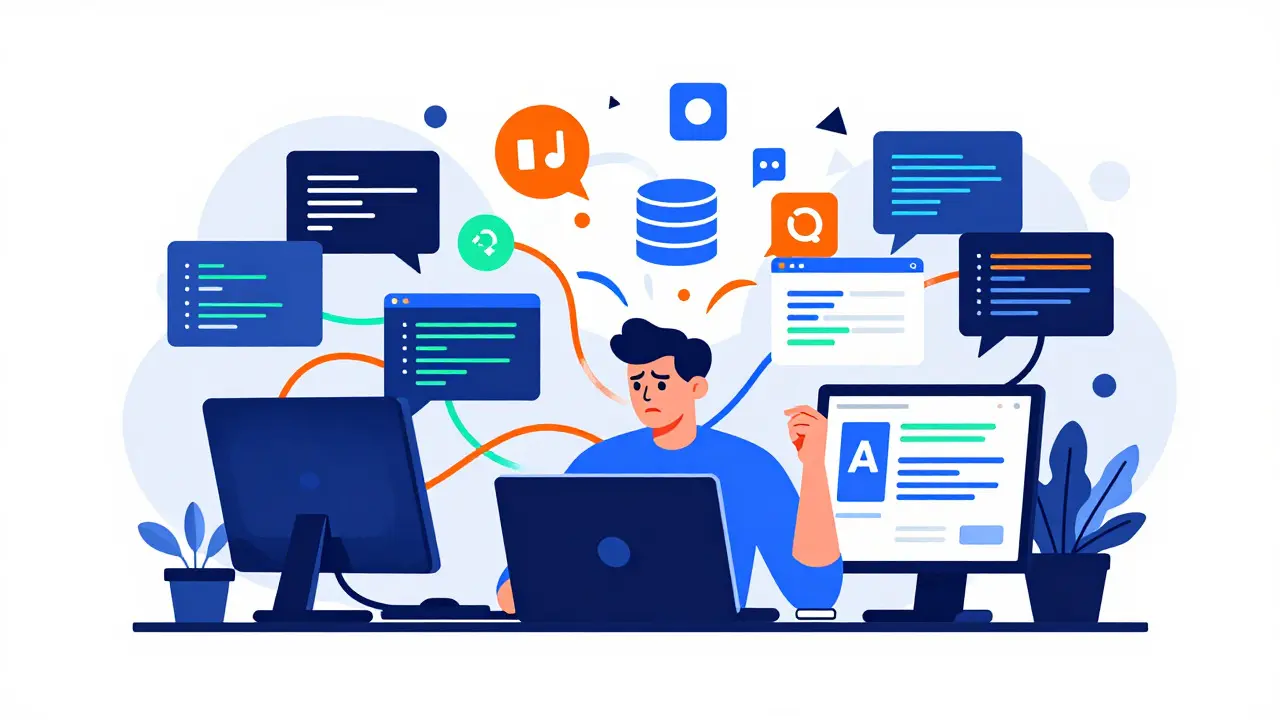
Explore how v0, Firebase Studio, and AI Studio are powering the 'vibe coding' movement, turning natural language prompts into full-stack AI applications.
Learn how prompt compression reduces LLM token costs and latency without sacrificing quality. Explore hard vs. soft methods and practical RAG optimization tips.
Explore the shift from static AI benchmarks to Evaluation 2.0, focusing on adaptive rubrics and live task validation to improve Generative AI reliability.
Stop your AI from breaking due to simple typos. Learn how to use RoP, MOF, and PromptBench to build robust LLM systems that handle real-world noisy inputs.
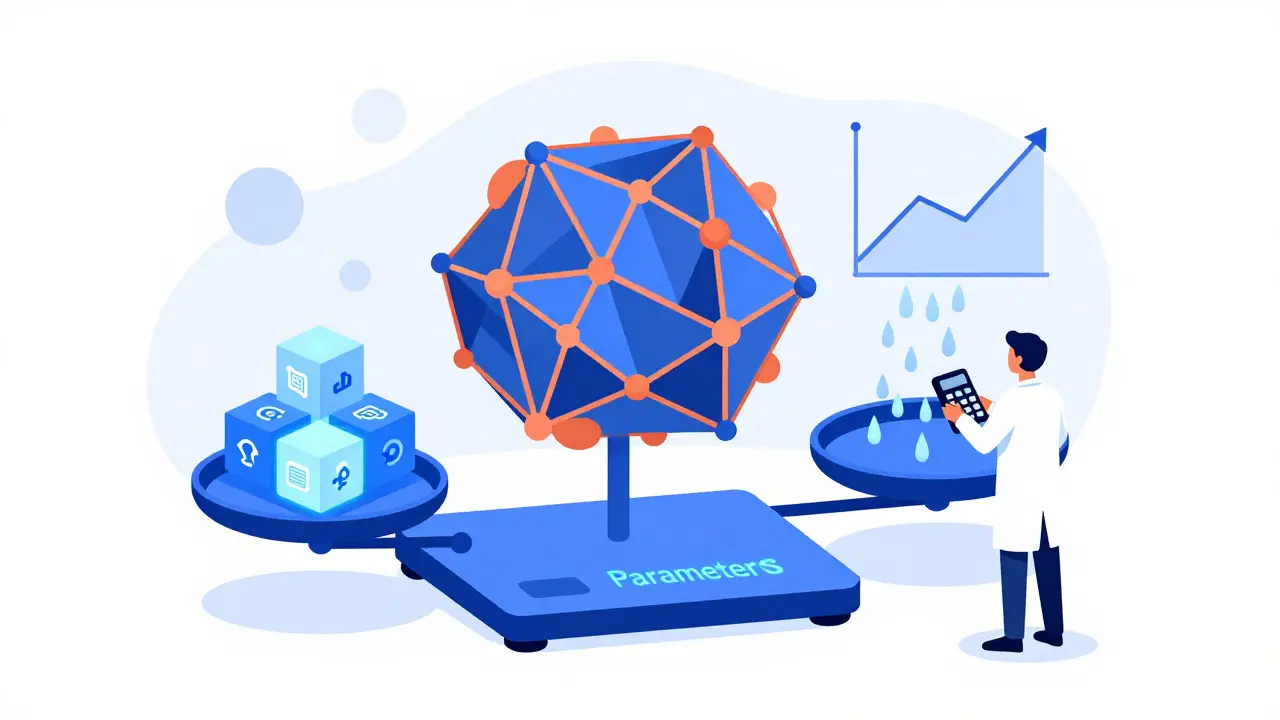
Learn how model distillation creates smaller, faster Generative AI models without sacrificing power. Discover the teacher-student paradigm, cost savings, and implementation tips.
Explore how energy and utility providers use Generative AI to automate outage communications, create intelligent field guides, and implement predictive maintenance.
Learn how to build secure human review workflows for LLMs to prevent data leakage and ensure GDPR/HIPAA compliance in regulated industries.
Explore how on-device generative AI and edge computing are transforming privacy, reducing latency, and enabling real-time intelligence on smartphones and IoT devices.
Explore how Generative AI is transforming construction through AI-powered bidding, predictive scheduling with ALICE and nPlan, and dynamic safety planning.
Learn how to build a Generative AI ethics framework that works. This guide covers stakeholder engagement, transparency standards, and data privacy strategies for 2026.
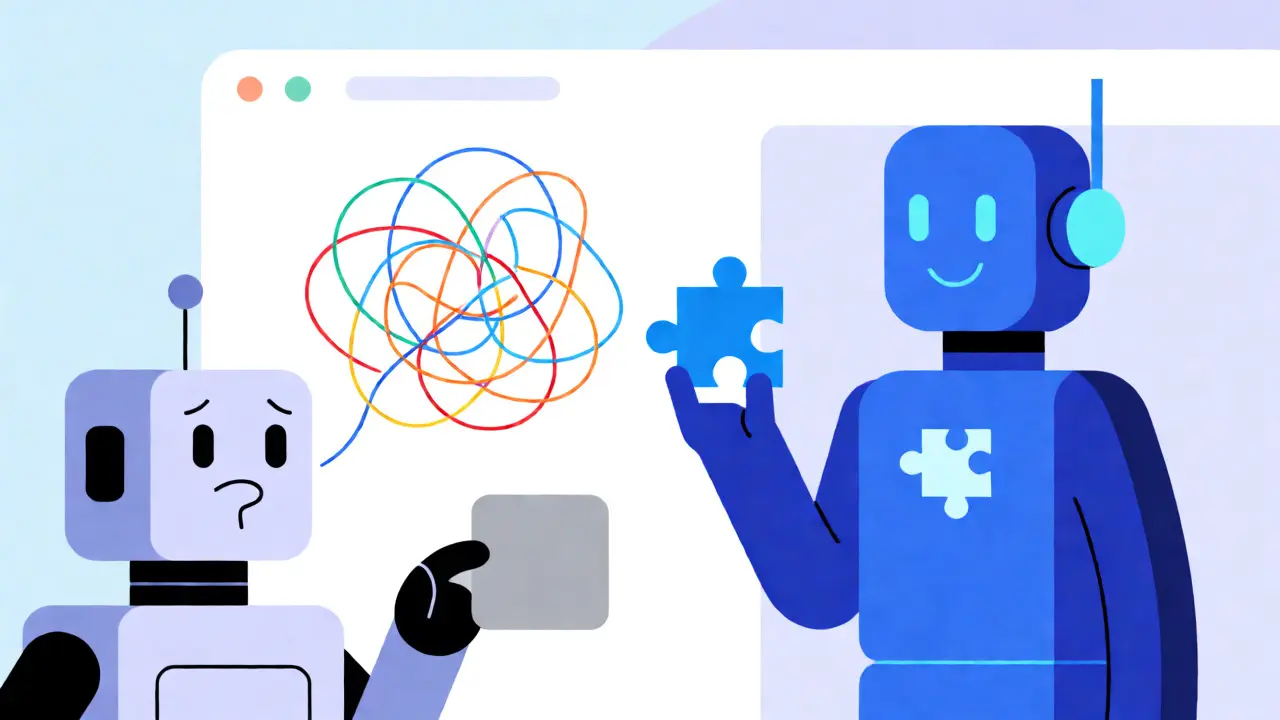
Explore how Agent-Oriented LLMs shift AI from reactive chatbots to autonomous agents. Learn about ReAct, Reflexion, and the future of AI planning and tools.
Discover why output tokens cost significantly more than input tokens in LLMs. We break down the computation, autoregressive generation, and GPU memory overhead.