Low-Latency Models for Realtime Vibe Coding in the IDE: The 2026 Guide
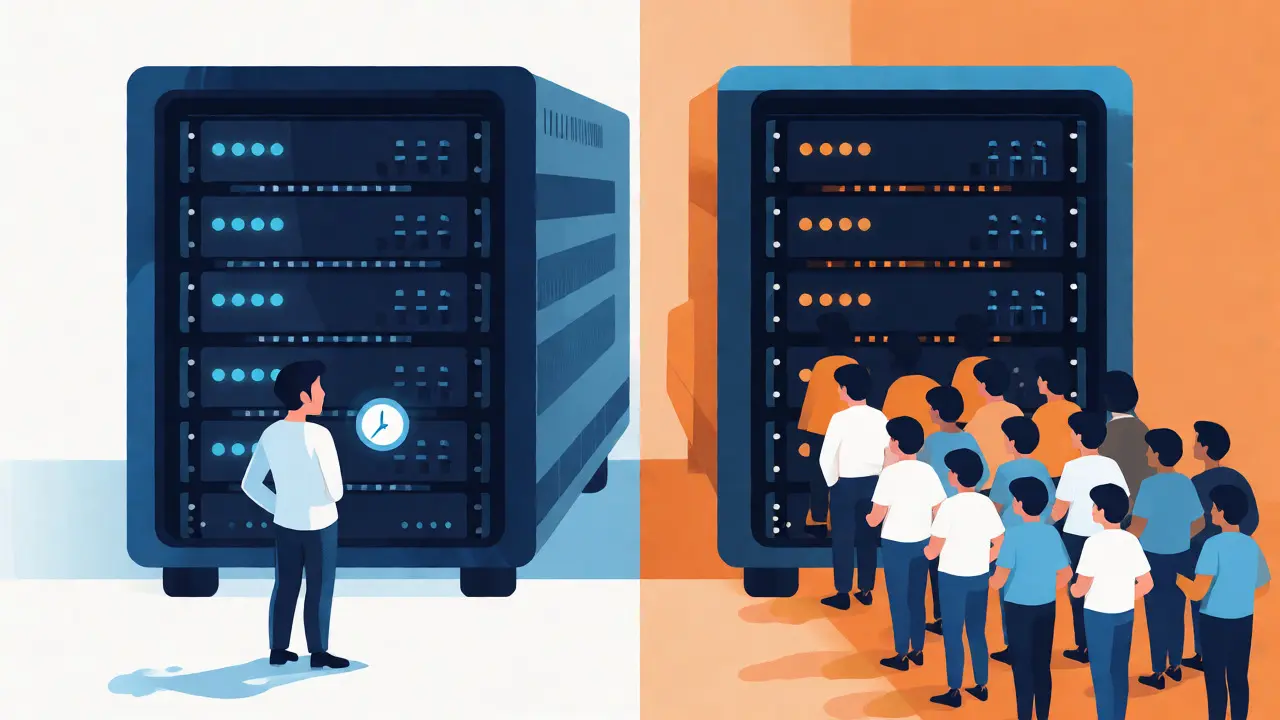
Discover how low-latency AI models under 50ms are revolutionizing 'vibe coding' in 2026. Compare Cursor, Tabnine, and local options for maximum flow state.
Learn how to secure vibe-coded backends with robust authentication and authorization patterns. Avoid common AI pitfalls like missing RBAC, insecure JWT configs, and deprecated OAuth flows.
Learn how to secure vibe coding environments with robust access control, data privacy measures, and repository scope management to prevent AI-induced vulnerabilities.
Explore Prefix Tuning and Prompt Tuning, two lightweight PEFT methods for adapting LLMs. Learn how they differ, their implementation details, and why they save compute costs.
Explore how Human-in-the-Loop control ensures safety in LLM agents. Learn about tiered implementation, costs, regulatory requirements, and best practices for 2026.
Learn how to secure multi-tenant self-hosted LLMs with effective isolation strategies. Discover best practices for data separation, prompt injection defense, and cost-efficient architecture.
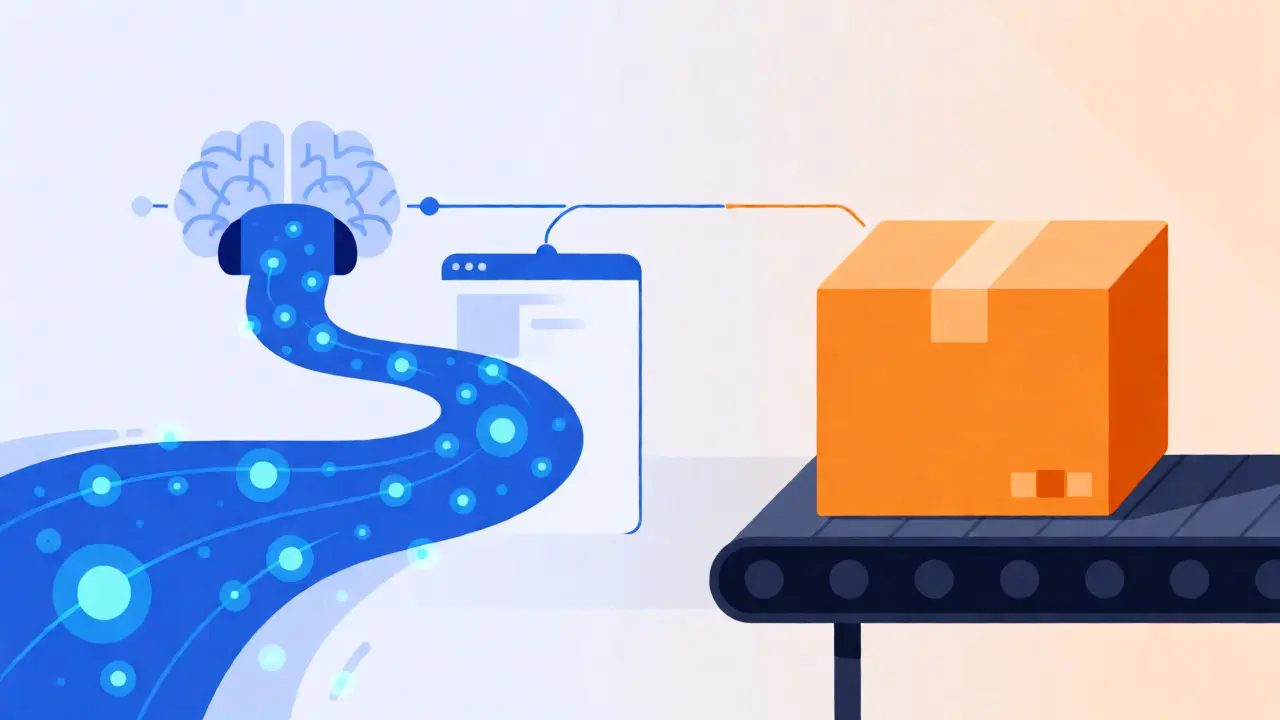
Learn how Retrieval-Augmented Generation (RAG) fixes LLM hallucinations by connecting AI to your private data. This end-to-end guide covers architecture, RAG vs fine-tuning, and implementation tips.
Learn how to fix the 'Lost in the Middle' problem in LLMs. Discover prompt positioning strategies like query-first and bookending to boost accuracy in long-context AI tasks.
Learn how compression-aware prompting optimizes small LLMs by reducing token usage and improving accuracy. Explore tools like LJMLingua and TPC for efficient RAG and inference.
Learn how to plan LLM infrastructure for seasonal traffic spikes. Discover predictive scaling, token-aware metrics, and architectural strategies to prevent latency issues and control costs during demand surges.
Discover why LoRA fails to stop catastrophic forgetting and learn proven techniques like FIP, EWC, and Replay to preserve LLM knowledge during fine-tuning.
Explore how reasoning-enhanced LLMs like MPPReasoner are shifting scientific discovery from simple data retrieval to active hypothesis generation and autonomous analysis.