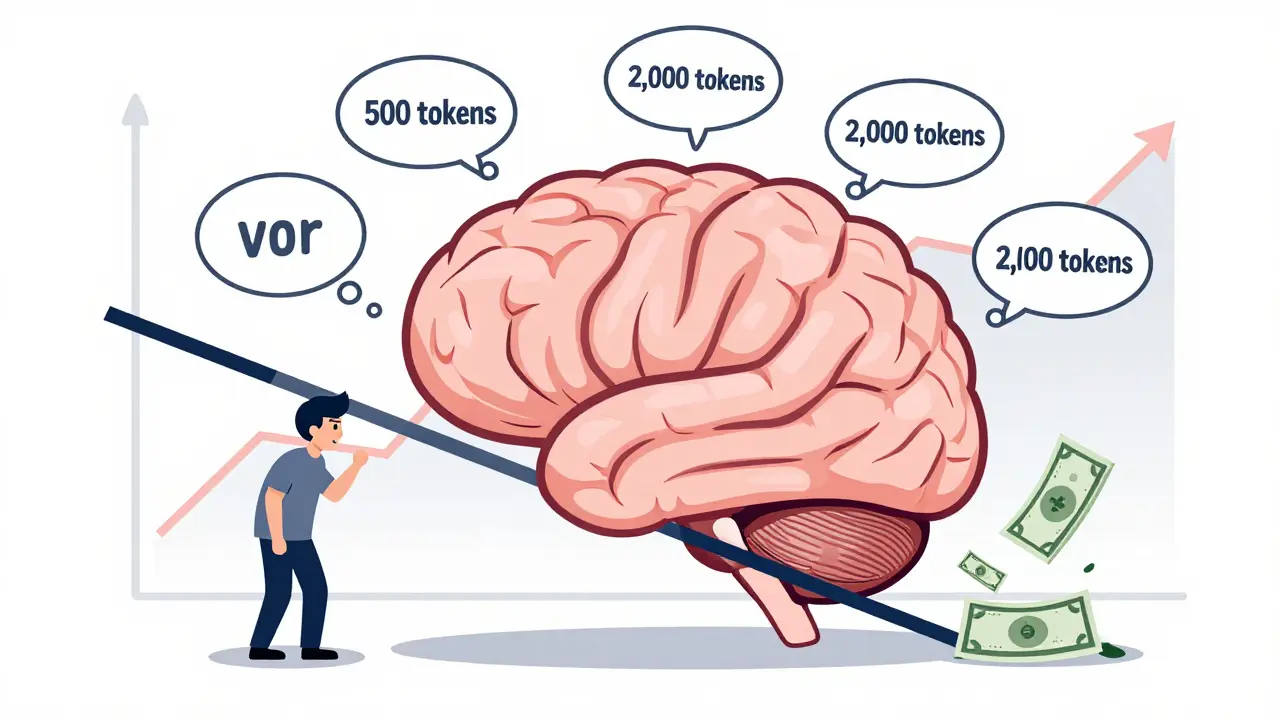
Evaluating Reasoning Models: Think Tokens, Steps, and Accuracy Tradeoffs
Reasoning models improve accuracy on complex tasks but at a steep cost in tokens, time, and money. Learn when they help, when they hurt, and how to use them efficiently.
Reasoning models improve accuracy on complex tasks but at a steep cost in tokens, time, and money. Learn when they help, when they hurt, and how to use them efficiently.

Vibe coding lets anyone build apps with AI-but who owns the code? Learn how copyright, licensing, and IP laws apply to AI-generated software and what steps you need to take to protect yourself.

Learn how to design multimodal generative AI applications by mastering input strategies and output formats. See how models like Gemini and GPT-4o process text, images, audio, and video together to deliver smarter, more natural interactions.

Human feedback in the loop transforms AI coding from guesswork into a learning system. Teams using structured scoring see 37% fewer bugs and 28% better maintainability. Here’s how it works, who benefits, and how to implement it without burning out your team.

Vibe coding and VibeOps are transforming DevOps by letting developers describe what they want in plain language - and letting AI build, deploy, and monitor it. This isn't just faster coding - it's a complete rewrite of how software gets shipped.

LLMs are transforming marketing, ads, and SEO by generating content 5-10x faster than humans. But success depends on using them with real data, human oversight, and brand consistency-not just automation.

Transformers power today's generative AI. This guide breaks down self-attention, encoder-decoder structure, and practical implementation for engineers - no fluff, just what works.
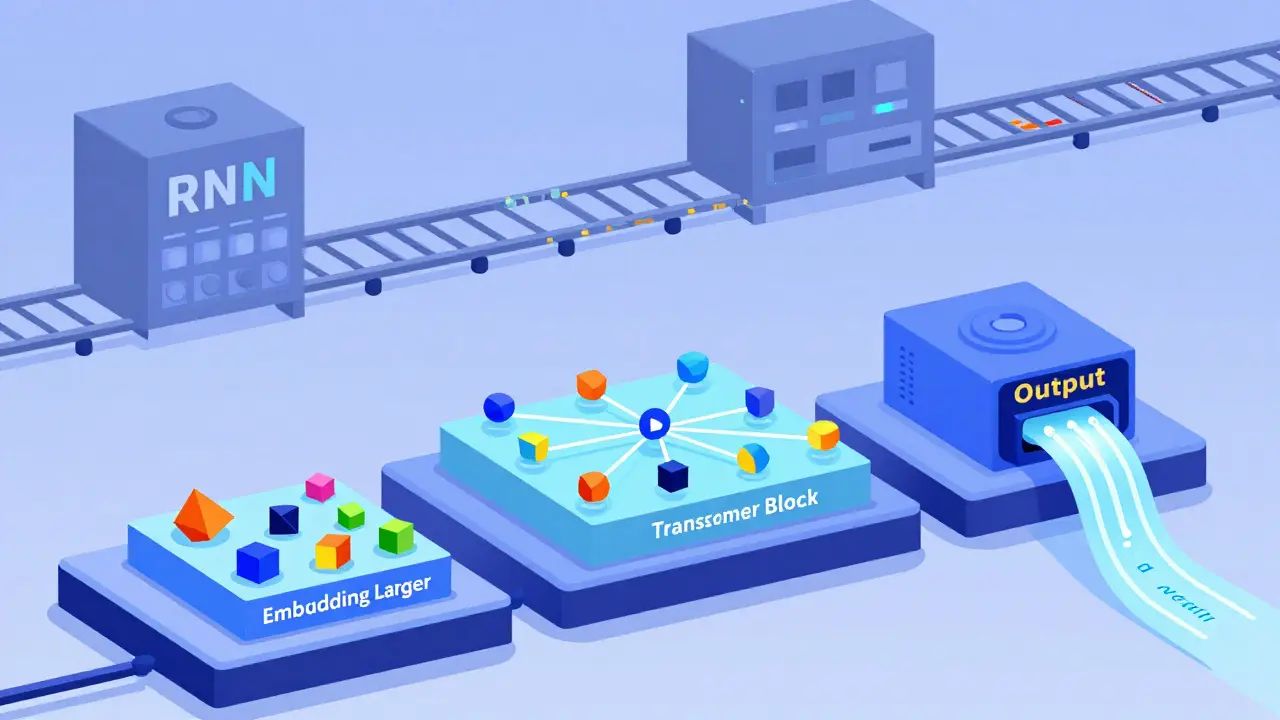
Transformers revolutionized generative AI by replacing RNNs with parallel attention mechanisms. This guide explains how they work, their structure, training methods, and practical engineering considerations for implementing real-world AI systems.

Replit lets you code, collaborate, and deploy apps entirely in the browser using AI. No setup. No installs. Just type what you want and watch it build. Perfect for vibe coding, startups, and education.
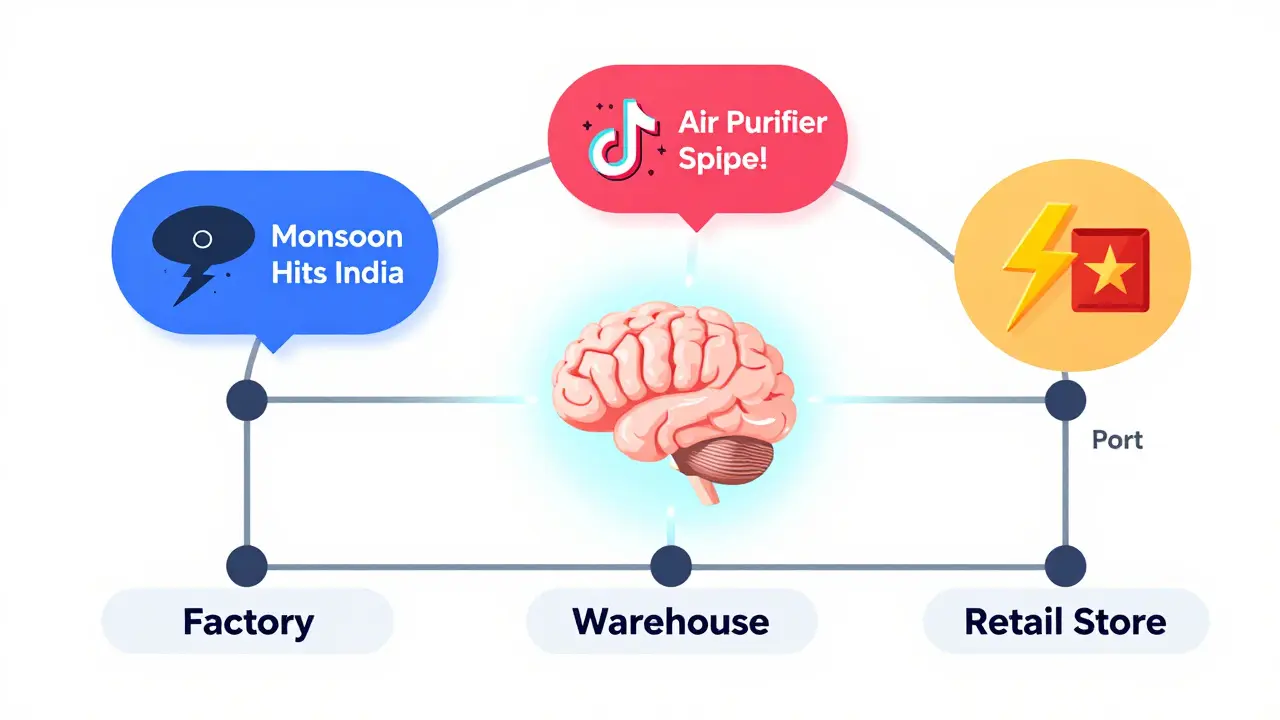
Generative AI is transforming demand forecasting by turning numbers into actionable narratives and identifying hidden exceptions in supply chains. Companies using it report 35% lower inventory costs and 65% higher service levels - but success depends on data quality and human-AI collaboration.
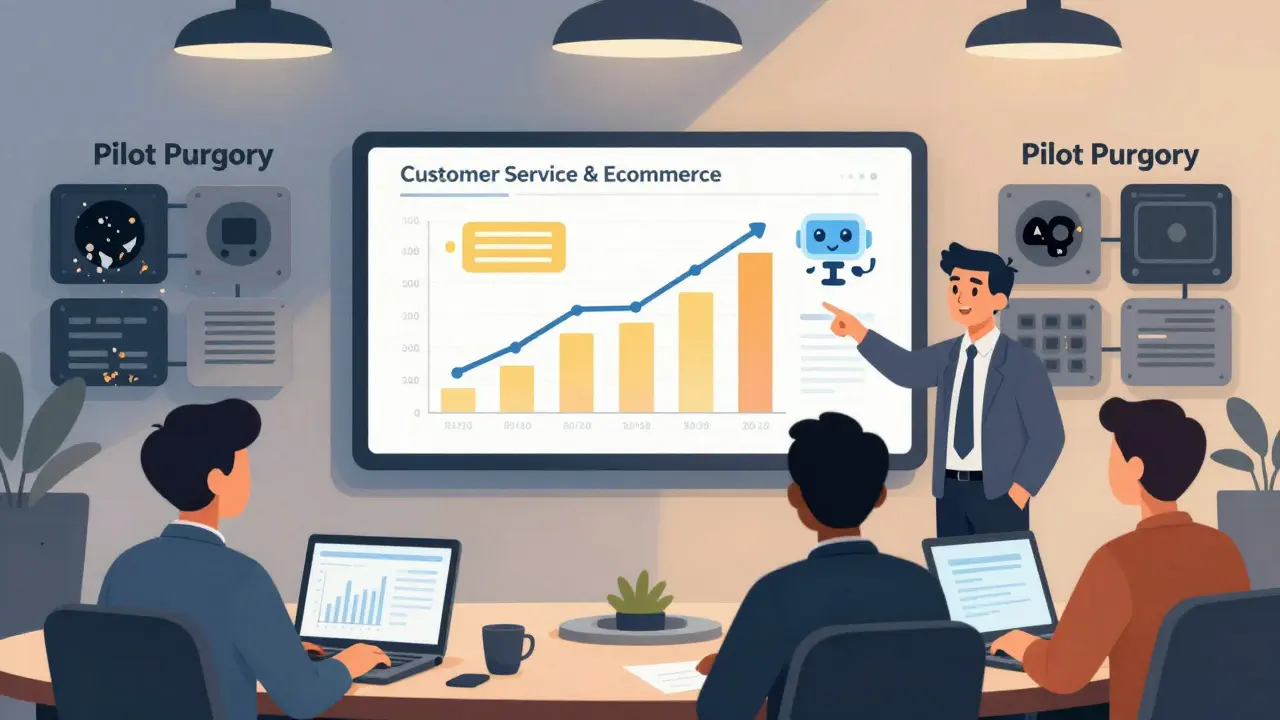
Generative AI adoption varies widely by industry, with customer service and eCommerce leading in ROI. Learn how maturity stages, data quality, and workforce readiness determine success - and why most AI projects still fail.
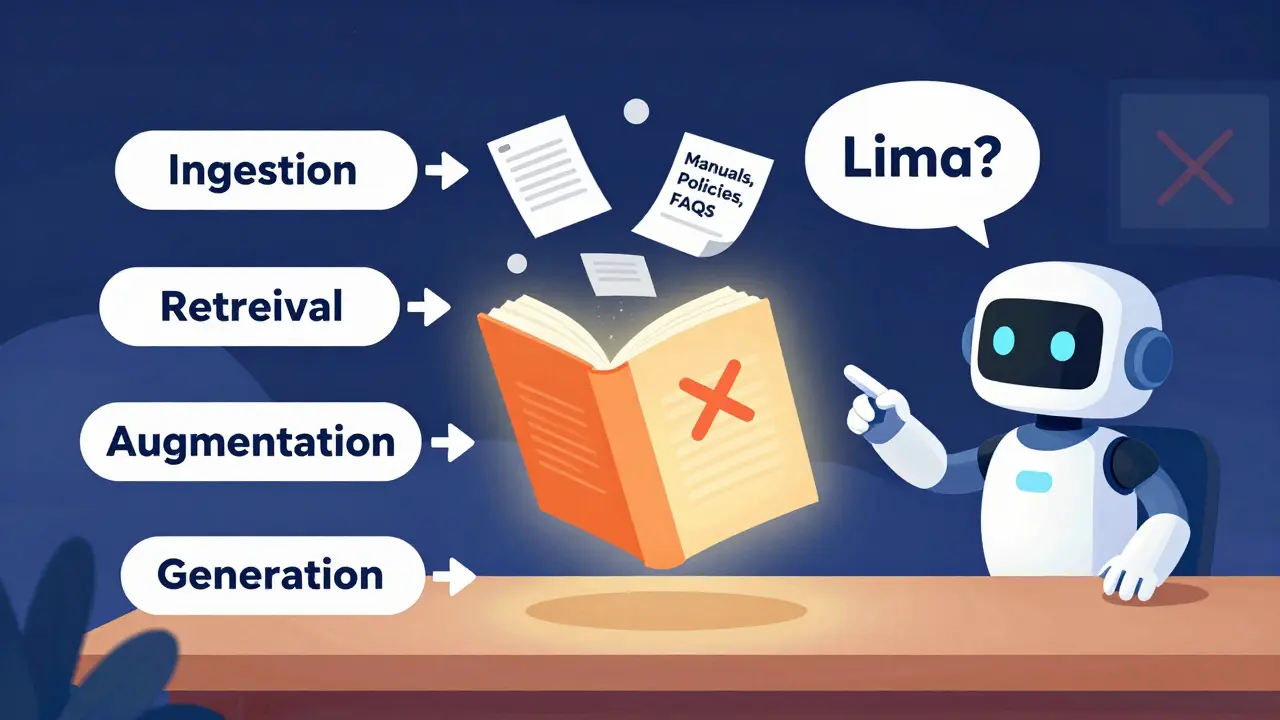
RAG reduces AI hallucinations by grounding responses in verified sources instead of internal training data. It’s cheaper than fine-tuning, works with dynamic content, and is now used by 78% of enterprises. But it’s not perfect-latency, language gaps, and retrieval errors remain challenges.